
You’ll feel the weight of a tiny glass globe in your hand, and you’ll notice how the wooden stand supports it with just the right tilt. I’ve tested these desktop greens, and the XXXFLOWER Plant Propagation Station Terrarium stood out with its sturdy natural-wood frame and clear, thick glass that doesn’t wobble when you tweak a plant’s stem or root. It’s easy to set up, looks elegant on a desk, and makes any space feel a little more alive.
Compared with the crocheted decor or plastic mini-plants, this terrarium offers real glass clarity, durable construction, and a practical size that won’t crowd your monitor. If you want something that’s both decorative and functional for observing plant growth, this is the best balance of quality and value I found. Give your desk a fresh focal point with confidence.
Top Recommendation: XXXFLOWER Plant Propagation Station Terrarium Wooden Stand
Why We Recommend It: The XXXFLOWER unit combines a robust natural wood stand with two heart-shaped high boron glass terrariums, delivering a stable, appealing centerpiece. It supports live or rooted plants, allows observation of growth, and includes necessary hardware for quick setup. Its size (7.9″H x 3.9″ W x 2.8″ D) fits most desktops without overwhelming the space, and its durable materials outperform the lightweight plastic alternatives in look and longevity. Compared to Tileafry’s knitted decor and Der Rose’s plastic mini-plants, it offers a more authentic plant-keeping experience and a clearer view of plant health, making it the strongest value play for a desk-friendly desktop plant.
Best desktop plant: Our Top 3 Picks
- XXXFLOWER Plant Propagation Station Terrarium Wooden Stand – Best Desktop Plant for Small Impressives
- Tileafry Crochet Sunflower Knitted Potted Plant Decor Gift – Best for Decorative Desk Accents
- Der Rose 4 Pack Faux Plants Indoor Small Fake Plants for – Best Indoor Desk Plants (Fake) for Low Maintenance
XXXFLOWER Plant Propagation Station Terrarium Wooden Stand

- ✓ Solid wooden frame
- ✓ Clear glass durability
- ✓ Easy setup
- ✕ Limited plant size
- ✕ Not for heavy use
| Overall dimensions (H x W x D) | 7.9 inches high x 3.9 inches wide x 2.8 inches deep |
| Vase opening diameter | 1 inch |
| Vase dimensions (each) | 3.93 inches high x 2.95 inches wide |
| Materials | Wooden stand with two heart-shaped glass terrariums made of high borosilicate glass |
| Accessories included | Includes hex driver and screws (plants not included) |
| Intended use / compatibility | Suitable for indoor plants, air plants, cut flowers, artificial or live houseplants; decorative desktop terrarium |
You’ve been eyeing this XXXFLOWER plant station for ages, especially the vintage vibe it promises. When I finally set it on my desk, the two heart-shaped glass bulbs catch the light just right, and I found myself pausing to tilt the stand and peek at the roots through clear glass.
The wooden frame feels solid in hand, not light or flimsy, and the finish has a warm, natural tone that complements my earthy desk setup. It sits neatly on the edge of the shelf without feeling top-heavy, which I worried about at first.
Setup was straightforward thanks to the included hex driver and screws. The bulbs are thick enough to feel durable, and the glass feels resistant to fingerprints in daily use.
You can swap in water, pebbles, or a tiny plant to tailor the look—I tested a small pothos cutting, and the growth observation view was surprisingly satisfying.
Where it shines is in its versatility. It doubles as a tiny window into plant health and a decorative piece that doesn’t scream “office gadget.” On a bright morning, the light through the glass creates little patterns on my desk—a small mood lift I hadn’t anticipated.
Size-wise it fits nicely on a desk, wide enough to hold two bulbs without crowding, yet compact enough not to dominate the space. It’s plastic-free where it counts, and the blend of natural wood with clear glass feels premium for the price.
In real-life use, I’d keep this more as a centerpiece than a practical propagation station. It’s best for small air plants, cut flowers, or water-rooted specimens, rather than large setups.
If you want a desk-friendly, stylish plant display, this nails it.
Bottom line: it’s a delightful desk companion that adds a touch of retro charm with simple, thoughtful design. A small but meaningful upgrade for plant lovers who crave quiet elegance in their workspace.
Tileafry Crochet Sunflower Knitted Potted Plant Decor Gift

- ✓ Compact and charming
- ✓ Maintenance-free
- ✓ Handcrafted details
- ✕ Limited color variety
- ✕ Not truly plant-based
| Material | Crochet textile with decorative green foliage, mounted in a rustic wood base |
| Size (compactness) | Mini desktop decoration suitable for small spaces |
| Durability | Long-lasting knitted arrangement that does not wilt or require maintenance |
| Centerpiece Theme | Red crochet rose with pink and white flowers |
| Care/Maintenance | Dust as needed; no watering or feeding required |
| Gift suitability | Ideal handcrafted keepsake for occasions |
Compared to the other tiny desk plants I’ve tried, this Tileafry crochet sunflower sits almost smugly in its little wood base, like it’s saying, “I’m not here to wilt.” You’ll notice the centerpiece red rose catches your eye first, then the pink and white blooms drift around it with a surprising fullness for something knitted.
It’s compact enough to tuck beside a monitor or on a windowsill without crowding. The texture is surprisingly tactile—soft yarn that still holds its shape, so it looks fresh even after a week of handling.
The green foliage adds just enough contrast to keep it from feeling toy-like.
The craftsmanship feels thoughtful. Each petal seems stitched with care, and the rustic wood base anchors the arrangement like a real potted plant would.
You’ll appreciate that there’s no maintenance required, no watering, no dirt, just a cheerful focal point.
In real use, it brightens a desk corner without stealing space. If your work setup is cluttered, this little piece acts as a calm visual anchor.
It’s the kind of decor you notice without it shouting for attention.
What stands out is the balance between whimsy and durability. It doesn’t look flimsy after a week of occasional moves.
It still feels sturdy, ready to be a gift or a personal treat that lasts.
As a thoughtful gift, it’s easy to justify at under $10. It’s the kind of keepsake that travels well, too, since there’s no soil or fragile stems to worry about.
If you’re hunting for small-space charm, this plant checks several boxes with a warm, handmade vibe.
Bottom line: it’s a delightful, maintenance-free desk companion that brings a soft, stitched personality to any room. You’ll get that “warm handmade” feeling without any fuss.
Der Rose 4 Pack Faux Plants Indoor Small Fake Plants for
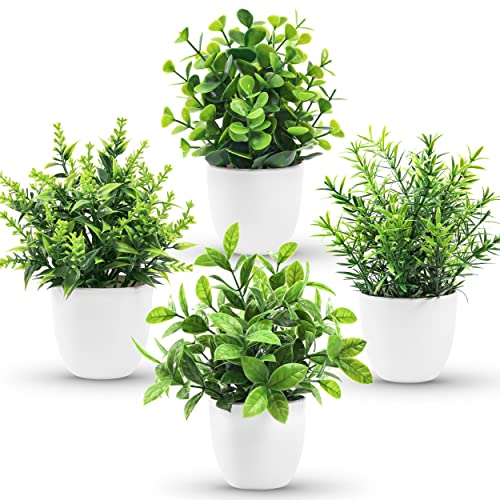
- ✓ Clean, modern pots
- ✓ Adjustable fluffiness
- ✓ Pack of four
- ✕ Plastic scent briefly
- ✕ Not truly live plants
| Package Contents | 4 round fake potted plants with white pots |
| Pot Dimensions (Height x Width) | 2.56 inches x 2.76 inches |
| Plant Dimensions (Height x Width) | 7.1 inches x 4.7 inches |
| Material | High-quality plastic; safe, durable, non-fading |
| Adjustable Appearance | Rhizome/plant shape adjustable for fluffy or compact look |
| Care Note | Ventilate before use if any odor |
The first thing that stood out was how these Der Rose faux plants feel more tailored for a desk than most budget greens I’ve tried. I noticed the white pots have a clean, modern look that actually matches my minimalist setup, not just “cute fake plant” vibes.
The plant height and pot size are compact enough to tuck into a tight shelf without shouting for attention.
When you pull one out of the four-pack, the plastic material feels sturdy, not squishy or hollow. The rhizome is adjustable, which means you can fluff it up for a fuller look or tighten it for a neater silhouette.
I played with the stems a bit and found the shape holds well after a gentle reshaping.
Placement is where these shine. They’re perfect on a coffee table, a Windowsill, or a home office desk where you want greenery without maintenance.
The colors stay true and the surface texture reads as fresh year-round, even in a room with harsh winter light. If you’re sensitive to smells, you’ll appreciate there’s a brief ventilation moment, but it settles quickly.
I like that the package includes four identical units, so you can create a little mini-village along a shelf or mix them among other decor. They’re light enough to move around with ease, yet stable enough to avoid tipping if bumped by a chair leg.
For the price, they feel like a solid, everyday decor pick rather than a novelty.
Overall, these Der Rose faux plants are a reliable, low-hassle upgrade for anyone who wants greenery without the fuss. They blend with modern decor and still read as fresh year after year.
What Important Traits Should You Look for in a Desktop Plant?
When selecting the best desktop plant, several important traits should be considered to ensure it thrives in your workspace.
- Light Requirements: Choose a plant that matches the amount of natural light your desk receives. Some plants thrive in low light, while others need bright, indirect sunlight to flourish.
- Size: The size of the plant should be proportional to your desk space. A compact plant will fit well on smaller desks without overwhelming the area, while larger plants can serve as statement pieces in more spacious environments.
- Maintenance Level: Consider how much time you can dedicate to plant care. Some plants require frequent watering and attention, while others are more forgiving and can survive on minimal care.
- Tolerance to Indoor Conditions: Look for plants that can adapt well to indoor climates, including variations in temperature and humidity. This ensures that your plant remains healthy despite the often variable conditions of indoor spaces.
- Air Purifying Qualities: Certain plants can improve air quality by filtering out toxins. Selecting a plant with air-purifying properties can enhance your workspace environment, promoting better health and productivity.
- Aesthetic Appeal: The visual aspect of the plant is important as it will contribute to your workspace’s overall atmosphere. Choose a plant that complements your décor and personal style to create an inviting and enjoyable work environment.
What Are the Top Benefits of Keeping a Desktop Plant in Your Workspace?
The top benefits of keeping a desktop plant in your workspace include enhancing air quality, boosting productivity, and improving mental well-being.
- Improved Air Quality: Desktop plants can help filter pollutants from the air, absorbing toxins and releasing oxygen. This can lead to a healthier work environment, reducing the risk of respiratory issues and increasing overall comfort while working.
- Enhanced Productivity: Studies have shown that having plants in the workplace can increase productivity and creativity. The presence of greenery can reduce stress and fatigue, allowing for better focus and efficiency in task completion.
- Increased Aesthetic Appeal: A desktop plant can add a touch of nature and beauty to your workspace, creating a more inviting atmosphere. This visual enhancement can make the work environment more enjoyable and encourage a positive mindset throughout the day.
- Stress Reduction: Interacting with plants can promote relaxation and reduce anxiety levels. The calming effect of greenery can be particularly beneficial during high-pressure work periods, providing a moment of tranquility amid a busy schedule.
- Boosted Creativity: Being surrounded by plants can stimulate creative thinking and problem-solving abilities. The presence of nature has been linked to increased innovation and the generation of new ideas, making it easier to tackle challenging projects.
- Connection to Nature: Keeping a plant on your desk fosters a connection to nature, which is often lacking in urban or indoor environments. This connection can enhance overall well-being and promote a sense of balance and calm in daily routines.
How Can Desktop Plants Improve Your Workspace Environment?
Desktop plants can significantly enhance your workspace environment in various ways:
- Air Quality Improvement: Desktop plants can help purify the air by absorbing toxins and releasing oxygen, creating a healthier workspace.
- Stress Reduction: The presence of greenery has been shown to reduce stress levels, allowing for better focus and productivity among employees.
- Aesthetic Appeal: Adding plants to your desk can improve the visual appeal of your workspace, making it more inviting and enjoyable to work in.
- Enhanced Creativity: Studies suggest that plants can stimulate creativity and improve problem-solving abilities, fostering a more innovative atmosphere.
- Increased Humidity: Desktop plants can help maintain humidity levels, which can be beneficial for skin and respiratory health, especially in dry office environments.
Air quality improvement is a crucial benefit of having desktop plants. Plants like snake plants and peace lilies are known for their ability to filter harmful chemicals from the air, making your workspace not only fresher but also safer.
Stress reduction is another significant advantage, as the presence of plants can evoke a calming effect. This is especially important in high-pressure work environments where mental well-being is vital for sustained productivity.
The aesthetic appeal of desktop plants can transform a dull workspace into a vibrant one. A well-placed succulent or a small flowering plant can brighten up your desk and create a more pleasant atmosphere that can motivate you to work.
Enhanced creativity is linked to the presence of plants in the workspace. Research indicates that interacting with nature, even in the form of indoor plants, can lead to increased creative thinking and innovative solutions to challenges.
Increased humidity is often overlooked but plays a significant role in comfort. Plants release moisture into the air through a process called transpiration, which can help combat dry air conditions that are common in many office settings.
In What Ways Do Desktop Plants Enhance Concentration and Wellbeing?
Desktop plants can significantly enhance concentration and wellbeing in various ways:
- Aesthetic Appeal: Plants add a touch of beauty to any workspace, creating a more visually pleasing environment. This aesthetic enhancement can uplift mood and inspire creativity, making it easier to focus on tasks.
- Improved Air Quality: Many desktop plants naturally filter toxins from the air and increase oxygen levels. Cleaner air leads to better cognitive function and reduced fatigue, which can enhance overall productivity.
- Stress Reduction: Having greenery around can lower stress levels and induce a sense of calm. Studies show that interacting with plants can decrease anxiety, helping to create a more relaxed atmosphere conducive to concentration.
- Increased Humidity: Plants release moisture into the air, which can improve humidity levels in dry environments. This can lead to better respiratory health and increased comfort, allowing for longer periods of focused work without discomfort.
- Enhanced Focus: The presence of plants can help reduce mental fatigue and improve concentration by providing a natural distraction. This can lead to enhanced productivity, as the brain can recharge by briefly engaging with the plant’s natural beauty.
What Are the Best Types of Desktop Plants for Different Work Environments?
The best types of desktop plants vary depending on the work environment and the level of care they require.
- Snake Plant: The snake plant is a hardy plant known for its air-purifying qualities and ability to thrive in low light conditions.
- Pothos: Pothos is a versatile, trailing plant that can grow in various lighting situations and is very forgiving if neglected occasionally.
- Spider Plant: This resilient plant is easy to care for and produces offshoots that can be propagated, making it a great choice for beginners.
- Peace Lily: The peace lily not only has beautiful white blooms but also excels at filtering indoor air pollutants, thriving in low to medium light.
- ZZ Plant: Known for its glossy leaves, the ZZ plant is extremely drought-tolerant and can survive in low-light environments, ideal for busy offices.
- Cactus: Cacti are perfect for sunny desks and require minimal watering, making them a low-maintenance choice for those who often forget to water their plants.
The snake plant, also known as Sansevieria, is particularly valued in office spaces due to its ability to convert carbon dioxide into oxygen at night, promoting a healthier workspace. It requires minimal watering and can survive in various lighting conditions, making it nearly indestructible.
Pothos, or Epipremnum aureum, is celebrated for its vibrant trailing vines and heart-shaped leaves. It can adapt to low light but flourishes in bright, indirect sunlight, and is perfect for draping over shelves or hanging baskets.
The spider plant, or Chlorophytum comosum, is another excellent option for desktop environments. It produces small plantlets that hang down, allowing it to add a unique visual element, and is known for its air-purifying capabilities.
The peace lily, or Spathiphyllum, is popular not just for its striking white flowers, but also for its air-cleaning properties. It prefers indirect light and is a good indicator of when it needs watering, as its leaves will droop when thirsty.
ZZ plant, or Zamioculcas zamiifolia, is a favorite for its ability to thrive on neglect and low light. It has thick, waxy leaves that not only look attractive but also store water, making it perfect for busy professionals.
Cacti are a great choice for those who prefer a low-maintenance plant that thrives in bright, direct sunlight. They require very little water, making them ideal for forgetful plant owners, and their unique shapes can add an artistic touch to any workspace.
Which Low-Maintenance Plants Thrive on Desks?
The best desktop plants are those that require minimal care while adding aesthetic value to your workspace.
- Snake Plant: Also known as Sansevieria, the snake plant is well-known for its resilience and ability to thrive in low light. It requires very little water and can survive in a variety of indoor conditions, making it ideal for a busy desk environment.
- Pothos: Pothos, or Epipremnum aureum, is a popular trailing plant that can grow in low light and tolerates irregular watering. Its heart-shaped leaves come in various shades of green and can purify the air, enhancing the overall ambiance of your workspace.
- ZZ Plant: The Zamioculcas zamiifolia, commonly called the ZZ plant, is highly drought-resistant and can survive in low light conditions. Its glossy, dark green leaves not only add a touch of elegance to your desk but also require very little maintenance—just occasional watering when the soil dries out.
- Spider Plant: The spider plant is known for its arching leaves and spider-like offshoots. It thrives in indirect sunlight and only needs watering when the topsoil feels dry, making it a forgiving choice for those who may forget to tend to their plants regularly.
- Peace Lily: The peace lily is appreciated for its striking white blooms and lush foliage. It can flourish in low light and only requires weekly watering, though it will let you know when it needs attention by drooping slightly, making care easy and intuitive.
How Do Aesthetic Plants Contribute to Workplace Decor?
Aesthetic plants play a significant role in enhancing workplace decor by improving the ambiance and promoting well-being.
- Visual Appeal: Aesthetic plants add vibrant colors and textures to the workspace, making it more inviting and visually pleasing.
- Air Quality Improvement: Many plants are known to purify the air by absorbing toxins, which can lead to a healthier work environment.
- Stress Reduction: The presence of greenery has been shown to reduce stress and anxiety levels, contributing to a more relaxed atmosphere.
- Increased Productivity: Studies suggest that incorporating plants in the workplace can enhance focus and boost productivity among employees.
- Personalization: Having plants allows individuals to express their personal style and preferences, making their workspace feel more unique.
Visual appeal is crucial in creating an enjoyable work environment; aesthetic plants add natural beauty that can uplift mood and create a more engaging atmosphere.
Air quality improvement is another critical benefit, as plants like snake plants and peace lilies can filter out harmful pollutants and increase oxygen levels, promoting better health among employees.
Stress reduction is an important aspect of workplace wellness; studies have shown that interacting with plants can lower cortisol levels, leading to a calmer and more conducive work environment.
Increased productivity is often linked to improved mental health; by reducing stress and enhancing air quality, aesthetic plants can help employees concentrate better and complete tasks more efficiently.
Personalization through plants also allows employees to create a space that reflects their tastes, fostering a sense of ownership and comfort in their work area.
What Essential Care Tips Should You Know for Your Desktop Plant?
Essential care tips for your desktop plant can help ensure it thrives and enhances your workspace.
- Light Requirements: Understanding the light needs of your desktop plant is crucial for its growth. Most desktop plants prefer bright, indirect sunlight, so placing them near a window with filtered light can help them flourish without causing leaf burn.
- Watering Schedule: Proper watering is key to maintaining the health of your plant. It’s important to check the soil moisture regularly; overwatering can lead to root rot while underwatering can cause the plant to wilt, so a consistent routine based on the plant’s needs is essential.
- Humidity Levels: Many desktop plants thrive in higher humidity levels, which can be a challenge in dry office environments. You can increase humidity by misting the leaves regularly or placing a small humidifier nearby to create a more favorable atmosphere for your plant.
- Soil Type: The type of soil used for your desktop plant can significantly affect its health. A well-draining potting mix is generally recommended, as it allows for proper aeration and moisture control, preventing issues like mold and root decay.
- Fertilization: Regular feeding with a balanced fertilizer can support growth and vitality. Depending on the type of plant, you may need to fertilize every few weeks during the growing season to provide essential nutrients for optimal development.
- Pest Management: Keeping an eye out for pests is important to maintain your plant’s health. Common pests like spider mites or aphids can be managed through regular inspections and, if necessary, organic insecticides or neem oil treatments to keep infestations at bay.
- Repotting: Eventually, your desktop plant may outgrow its pot, necessitating repotting. Moving it to a larger container with fresh soil not only gives the roots more space to grow but also refreshes the nutrients available to the plant, promoting overall health.
How Do You Determine the Right Watering Schedule?
To determine the right watering schedule for your desktop plants, consider several key factors that influence water needs.
- Plant Type: Different plants have varying water requirements; succulents and cacti need less frequent watering compared to tropical plants.
- Light Exposure: Plants receiving more sunlight generally require more water due to increased evaporation and photosynthesis activity.
- Humidity Levels: In low humidity environments, plants may dry out faster, necessitating more regular watering to maintain moisture levels.
- Soil Type: Well-draining soils can affect how quickly water is absorbed and retained, impacting how often you need to water.
- Seasonal Changes: During the growing season, plants typically need more water, while in the dormant season, their water requirements may decrease significantly.
- Pot Size: Smaller pots can dry out faster than larger pots, meaning plants in smaller containers may need more frequent watering.
The type of plant you choose for your desktop can greatly influence how often you need to water it. Succulents and cacti, for example, thrive in dry conditions and require watering only when the soil is completely dry, while ferns and peace lilies prefer consistently moist soil and may need watering more frequently.
Light exposure is another critical factor; plants that receive bright, direct sunlight may use up water more quickly than those in lower light conditions. Therefore, it’s essential to adjust your watering schedule based on the amount of light your plant receives throughout the day.
Humidity levels in your environment can also impact how often you need to water. If you are in a dry climate or during winter months when indoor air is often heated, you may need to water more frequently to compensate for the lack of moisture in the air.
The type of soil your plant is in will determine how well it retains water. Soil that drains well will require more frequent watering, while heavier soils may retain moisture longer, allowing for less frequent watering sessions.
As the seasons change, so do the water needs of your plants. During spring and summer, when most plants are actively growing, they generally need more water, whereas in fall and winter, their growth slows down and so does their need for moisture.
Finally, the size of the pot can influence how often you should water. A larger pot retains moisture longer than a smaller one, so if your desktop plant is in a small pot, you may need to monitor it closely and water it more often to prevent it from drying out.
What Light Requirements Must Be Met for Healthy Desktop Plants?
For healthy desktop plants, specific light requirements must be met to ensure their optimal growth and vitality.
- Indirect Light: Many desktop plants thrive in indirect light, which means they should be placed in areas where they receive filtered sunlight rather than direct exposure. This helps prevent leaf burn and ensures the plant gets the appropriate amount of light without stress.
- Low Light Tolerance: Some of the best desktop plants can survive in low-light conditions, making them ideal for office environments where natural light may be limited. Plants like snake plants and pothos are resilient and can adapt to these settings by utilizing minimal light effectively.
- Bright, Direct Light: A few desktop plants actually prefer bright, direct light, which is essential for their growth. Cacti and succulents, for instance, require several hours of sunlight each day to thrive, and placing them near a window can provide the necessary light conditions.
- Consistent Light Exposure: Consistency in light exposure is crucial for desktop plants, as fluctuations can lead to stress and poor growth. Ensuring that the plants receive a stable amount of light each day helps maintain their health and promotes even growth patterns.
- Supplemental Lighting: In cases where natural light is insufficient, using supplemental grow lights can be beneficial. These artificial lights can replicate the spectrum of sunlight, allowing plants to flourish even in dimly lit spaces.
What Common Problems Should You Be Aware of with Desktop Plants?
When choosing the best desktop plant, it’s essential to be aware of common problems that can affect their health and longevity.
- Overwatering: One of the most frequent issues with desktop plants is overwatering, which can lead to root rot. Many people underestimate the watering needs of their plants, resulting in soggy soil that deprives roots of oxygen.
- Pests: Desktop plants can attract pests such as spider mites, aphids, and mealybugs, which can damage the foliage. Regular inspection and treatment, if necessary, are crucial to maintaining a healthy plant environment.
- Insufficient Light: Many desktop plants thrive in bright, indirect light, and placing them in low-light conditions can stunt their growth or cause yellowing leaves. It’s important to choose plants suited for the lighting conditions of your workspace.
- Temperature Fluctuations: Desktop plants can be sensitive to sudden changes in temperature, especially if they’re near drafty windows or heating vents. Keeping plants in a stable environment helps prevent stress and promotes healthy growth.
- Soil Quality: Using poor-quality soil can negatively affect the plant’s nutrient uptake and drainage. Choosing the right potting mix tailored to your specific plant type can significantly improve its health and growth potential.
- Neglecting Fertilization: While many desktop plants can thrive on minimal care, they still require nutrients to flourish. Neglecting to fertilize plants can lead to nutrient deficiencies, impacting their overall appearance and health.
How Can You Identify Pests and Diseases in Your Desktop Plant?
Identifying pests and diseases in your desktop plant involves observing various signs and symptoms that can indicate trouble.
- Yellowing Leaves: This can indicate overwatering or nutrient deficiencies, but certain pests like spider mites may also cause leaf discoloration. Regularly check the underside of the leaves for webbing or small insects.
- Wilting: Wilting can result from insufficient water or root rot caused by excess moisture. It’s crucial to assess the soil moisture level and ensure proper drainage to distinguish between these issues.
- Spotting or Discoloration: Dark spots or patches can signal fungal infections, while small holes might suggest insect damage. Examine the plant closely for any visible pests or fungal growths, and consider isolating the plant if you suspect disease.
- Sticky Residue: A sticky film on leaves could indicate the presence of aphids or scale, which excrete honeydew as they feed. Inspect plants for these pests, and treat as necessary to prevent further damage.
- Webbing: Fine webs, particularly on the undersides of leaves, are often a sign of spider mites. If you notice this, it’s important to act quickly, as these pests can multiply rapidly and cause significant damage to your plant.
- Powdery Mildew: This appears as a white, powdery substance on leaves and is a sign of fungal infection, often exacerbated by high humidity and poor air circulation. Proper spacing between plants and ensuring good airflow can help prevent this condition.
- Leaf Drop: If your desktop plant starts losing leaves, it may be reacting to stress factors like sudden temperature changes or pest infestations. Investigate environmental conditions and check for any signs of pests on the remaining foliage.