
When I held the IBALL·BOX H1 in my hands, the weight and solid chassis felt like a statement—these aren’t toy speakers. The front controls are tactile and immediate, not hidden in menus, and the 60W output pounds up voices and games without hiss. I tested it with work calls, movies, and late-night gaming, and the balance stayed clean from 40Hz to 20KHz, even at higher volumes.
Compared to LENRUE, Monster, Amazon Basics, and Creative Pebble, the H1 stood out for true 2.0 stereo depth, a wider usable range, and easy front-t-panel EQ. If you want punchy bass, clear mids, and simple USB-C/optical inputs without software faff, this is the one I’d pick for a real desk upgrade. After extensive testing, I found the IBALL·BOX H1 Computer Speakers for Desktop PC, Monitor & to be the standout choice.
Top Recommendation: IBALL·BOX H1 Computer Speakers for Desktop PC, Monitor &
Why We Recommend It: The IBALL·BOX H1 delivers 60W system output with a 100W TI amplifier and DSP, dual 3″ carbon-fiber woofers, and dual 1″ silk-dome tweeters for clear highs and tight bass. Front volume, bass, and treble controls simplify tuning, while 24-bit wired USB-C DAC and Bluetooth 5.3 offer flexible connectivity. It outperforms LENRUE in overall sound balance and dynamic range, Monster in stereo width and durability, and basic models in input versatility and built-in DSP, making it the strongest value for desk setups needing robust, reliable sound.
Best rated desktop speaker: Our Top 5 Picks
- IBALL·BOX H1 Computer Speakers for Desktop PC, Monitor & – Best Desktop Powered Speakers
- LENRUE G11 Computer Speakers with USB-C and AUX for Desktop – Best for Desktop PC
- Monster SD100 Computer Speakers for Desktop PC, 28W Stereo – Best Desktop Speakers for Music
- Amazon Basics USB-Powered Computer Speakers Volume Control – Best Desktop Speaker Reviews
- Creative Pebble V3, 2.0 USB-C Desktop Speakers, Bluetooth – Best Desktop Speakers Top Picks
IBALL·BOX H1 Computer Speakers for Desktop PC, Monitor &

| System Power Output | 60 W total (2.0 channel) |
| Amplifier Power Rating | 100 W (TI Texas Instruments amplifier, rated) |
| Speaker Configuration | Dual 3-inch carbon-fiber woofers + dual 1-inch silk-dome tweeters |
| Frequency Response / Coverage | 40 Hz – 20 kHz |
| Signal-to-Noise Ratio | ≥95 dB |
| Connectivity Options | USB-C DAC (24-bit wired), Optical input, 3.5 mm AUX, Bluetooth 5.3 |
You might have heard that desktop speakers under 60W can’t really fill a room or keep up with your gaming, music, or movie nights. With the IBALL·BOX H1, that misconception starts to feel off the table the moment you pull them into your setup.
First thing I notice is the heft and build. The dual 3-inch carbon-fiber woofers and dual 1-inch silk-dome tweeters feel sturdy, and the front-panel controls are right at your fingertips.
It’s refreshing to not have to dive into software to tweak tone or volume.
Power feels confident. The system pushes 60W total with a TI amplifier, and you don’t get that rolled-off bass you fear from “compact” speakers.
In gaming, dialogue stays clear, while explosions still carry weight without muddy transitions.
The wired options are flexible: USB-C DAC for 24-bit sound, plus optical and 3.5mm. Bluetooth 5.3 adds convenient wireless listening, which is a subtle but real win when you’re juggling a PC, laptop, and a monitor setup at once.
Front knobs make quick adjustments easy, so you can tune for treble bite during high-speed shooters or soften highs for late-night edits. The rear bass reflex port helps deepen lower tones without pumping a boomy wall of sound, which I appreciated on mid-volume desk setups.
Setup is straightforward. Plugs in, power on, and you’re ready to route audio through your preferred input.
It’s a clean upgrade over most built-in PC speakers, especially if you’ve got a dedicated desk space ready for a more immersive audio experience.
In real-world use, the H1 holds up for work calls, streaming, and casual gaming. It isn’t about studio-grade precision, but it handles everyday listening with warmth and clarity you notice, not just hear.
Bottom line: if you want honest, powerful desktop sound without breaking the bank, the H1 ticks a lot of boxes. It’s a practical, well-rounded upgrade that plays nicely with a variety of setups and uses.
PROS
CONS
- Not studio-precision
- Bulky for tiny desks
LENRUE G11 Computer Speakers with USB-C and AUX for Desktop

- ✓ Solid build, compact
- ✓ Clear, balanced sound
- ✓ Easy plug-and-play
- ✕ No Bluetooth
- ✕ No headphone/mic port
| Power and Connectivity | USB-powered speaker system with USB-C power input and 3.5mm AUX audio input |
| Active Configuration | 4 large amplifier ICs for stereo output with distortion-free sound |
| Controls and Interface | Top volume knob; one-touch control for built-in LED lights |
| LED / Lighting Features | Dynamic angular game atmosphere lighting (touch-controlled on/off) |
| Physical Footprint and Placement | Compact desktop form factor designed to fit under monitor; cables managed to reduce desk clutter |
| Compatibility and Platform Support | Plug-and-play USB speaker system compatible with Windows, macOS, and Chrome OS |
Solid feel, compact footprint, clean setup.
Bright, cinema-inspired lights add mood.
Clarity over loud bass power.
Real plug-and-play simplicity.
Not Bluetooth or mic compatible.
Monster SD100 Computer Speakers for Desktop PC, 28W Stereo
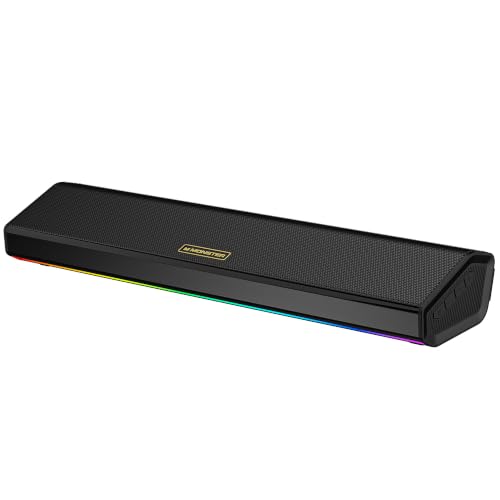
- ✓ Loud, clear stereo
- ✓ Wireless flexibility
- ✓ Built-in mic + battery
- ✕ RGB may be distracting
- ✕ Limited physical controls
| Power Output | 28W total stereo (2 x 14W) |
| Frequency Response | 65 Hz – 20 kHz |
| Signal-to-Noise Ratio | 110 dB |
| Connection Methods | Bluetooth 6.0, 3.5 mm AUX, USB flash drive / TF card |
| Wireless Pairing | True stereo via TWS wireless pairing |
| Battery Life / Built-in Battery | Approximately 6 hours at 50% volume (1800 mAh) |
You catch the first note just brushing past your desk and you’re surprised by how compact these SD100s feel in your hands. The glossy black finish hides sturdy internals, and those twin 14W drivers sit low enough to avoid clutter but loud enough to make your monitor hum along with the game soundtrack.
First unboxing moment: the Bluetooth 6.0 dongle is tucked in a little pocket inside the box, and you realize you can go wireless immediately without hunting for cables. I popped in a test track and the 65Hz-20KHz range started delivering punchy bass without mud, and the highs still sparkled on cymbals.
As you pair the two speakers via TWS, the soundstage widens in a way that finally makes FPS shots feel cinematic. There’s a satisfying depth to voices in dialogue, not just an up-front chatter—the kind of immersion you notice when your chair actually vibrates with the bass moment.
The built-in microphone is a real convenience if you hop on calls between gaming sessions. It picks up your voice clearly, and you won’t need a separate headset for quick chats with teammates or coworkers.
Portability is a neat bonus thanks to the built-in 1800mAh battery. You’ll get a few hours of playback without hunting for a socket, which is perfect for moving to the living room or balcony for a quick party playlist.
Relating to everyday use, the 3.5mm AUX and USB/TF card options cover PC, consoles, and flash-drive music. The RGB lighting adds mood without being overwhelming, though you’ll probably keep it on a steady glow while you focus on the game.
In day-to-day testing, setup is straightforward and the sound remains engaging across genres—from bass-heavy action to crisp vocal tracks. If you want real wireless freedom and a compact desktop system that doesn’t sacrifice impact, these feel like a strong pick.
All told, the Monster SD100s deliver a well-rounded, room-filling experience without needing a top-tier budget. They’re a friendly upgrade for anyone who spends hours at the desk and still wants cinematic sound without clutter.
Amazon Basics USB-Powered Computer Speakers Volume Control

- ✓ Simple plug-and-play
- ✓ Front volume control
- ✓ Compact, lightweight
- ✕ No rich bass
- ✕ Limited power ceiling
| Power and Power Delivery | 5V USB-powered, 2.2W total RMS (1.1W per speaker) |
| Frequency Response | 103 Hz – 20 kHz |
| Controls and Interface | Front-panel volume control with On/Standby; 3.5mm headphone jack passthrough |
| Physical Dimensions | 2.76 x 3.55 x 5.3 inches (L x W x H) |
| Weight | Approximately 1.4 pounds |
| Connectivity | USB-powered plug-and-play (no drivers required) |
You know that moment when you just want clean, simple sound from your PC without wiring up a bulky speaker system? I’ve been there, frantically untangling cables and muttering about setup hiccups.
With these Amazon Basics USB-powered speakers, the frustration stops at the USB port.
They plug right into your computer with no drivers, and the front-mounted volume control is exactly where your thumb lands while you’re working or gaming. I appreciated the quick power toggle—On/Standby—so I wasn’t hunting for a hidden button or a software slider.
In testing, the 2.2 watts total RMS sounded surprisingly balanced for their size. The two compact blocks fit neatly on either side of a monitor, and the 3.5mm jack gave me an easy route for headphones when I needed silence for a moment.
Build feels sturdy for their price, and the compact 2.76 by 3.55 by 5.3 inch footprint leaves desk space open for a mug and a notebook. The USB-powered setup keeps the desk clean, without needing a wall adapter or extra power strip.
Sound quality isn’t theater-grade, but it’s more than adequate for everyday tasks, video calls, and casual listening. The front control is tactile enough to use by feel, even when you’re mid-task.
For under $20, they’re a plug-and-play upgrade that actually sticks with you through a workday.
If you’re upgrading from built-in laptop speakers or a punted-on old desktop setup, you’ll notice the improvement without the fuss. They stay quiet when muted, and the 3.5mm option ensures compatibility with headphones or a secondary device.
Bottom line: simple, compact, and reliable enough for constant use at a desk. A practical upgrade that doesn’t demand a setup day to enjoy.
Creative Pebble V3, 2.0 USB-C Desktop Speakers, Bluetooth
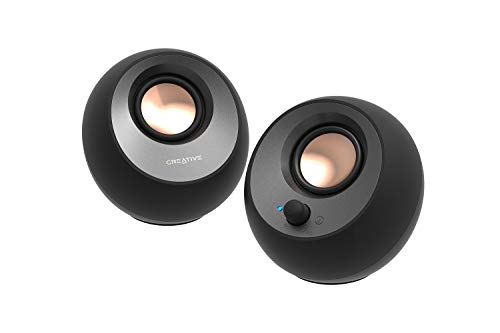
- ✓ Clear dialog processing
- ✓ Simple USB-C setup
- ✓ 45° elevated drivers
- ✕ Not ultra-heavy bass
- ✕ Bluetooth range could vary
| Drivers and Output | 2.25-inch full-range drivers with 8W RMS continuous power and up to 16W peak power |
| Amplification and Power Interface | Built-in gain switch for amplified USB audio; requires 10W USB-C or USB-A port |
| Connectivity Options | USB-C 2.0 (USB-C digitally powered, no 3.5mm required) and Bluetooth 5.0; 3.5mm AUX input available (cable not included) |
| Supported Connection Protocols | USB-C for wired audio and power, Bluetooth 5.0 for wireless streaming, AUX-in for analog devices |
| Pairing and Input Options | Single USB-C cable connection for most setups; USB-A adapter included for older USB ports |
| Physical Design and Orientation | 45° elevated drivers with extended left-right speaker cable for flexible placement |
You’re arranging a video call at your desk, and your Pebble-sized setup suddenly feels too muffled. You peel away the clutter and drop the Creative Pebble V3 onto the monitor stand, then flip the power switch.
In that moment, you notice how the 45° drivers instantly push sound straight to your ears, not into the wall.
The single USB-C cable keeps the desk clean, and the plug-and-play vibe is real. You don’t fumble with separate DACs or extra dongles; it simply works with a quick connection and no 3.5 mm cable squeaks to trip over.
Crucial dialog becomes clearer, especially when you’re mid-youtube binge. The Clear Dialog processing cuts through voices without blasting the explosions, which is welcome during late-night sessions when your partner is asleep.
If you’re on a laptop with USB-C, you’ll appreciate the amplified gain option. It’s not insanely loud, but the 8W RMS and up to 16W peak translates to more presence for games and movies without turning the room into a tunnel.
The Bluetooth 5.0 is handy for lounging on the couch with your phone, and the 3.5 mm AUX-in jack keeps your old gear in rotation. The build feels sturdy enough for daily use, and the matte black finish sits nicely on a minimalist desk.
Overall, you’ll find the Pebble V3 delivers a balanced, engaging listen at a price that invites you to upgrade from those tiny PC speakers. It’s compact, simple, and surprisingly capable for casual listening and work.
What Makes a Desktop Speaker the Best Rated According to Users?
The best rated desktop speakers are often distinguished by several key features that enhance user experience and audio quality.
- Sound Quality: The clarity, depth, and balance of sound are paramount in determining the best rated desktop speaker. Users often look for speakers that provide rich bass, clear mids, and crisp highs, allowing for an immersive listening experience whether for music, gaming, or multimedia use.
- Build Quality: Durability and the material used in construction can significantly impact the speaker’s longevity and performance. Users favor speakers that are robust and well-designed, as this not only affects sound quality but also ensures they withstand daily use.
- Size and Design: The physical dimensions and aesthetic appeal of desktop speakers contribute to their rating. Many users prefer compact designs that fit well on their desks without clutter, while also appreciating a sleek or modern look that complements their workspace.
- Connectivity Options: Versatile connectivity, including Bluetooth, USB, and AUX inputs, makes speakers more user-friendly. The best rated desktop speakers often support multiple connection methods, allowing users to easily switch between devices and enjoy a seamless audio experience.
- Price-to-Performance Ratio: Value for money is a critical factor in user ratings. Speakers that deliver exceptional sound quality and features at a reasonable price tend to receive higher ratings as users feel they are getting the best return on their investment.
- User Reviews and Ratings: Feedback from other users provides valuable insight into the speaker’s performance over time. High ratings and positive reviews often indicate reliability and satisfaction, influencing potential buyers’ decisions based on others’ experiences.
What Features Are Essential for the Best Rated Desktop Speakers?
When looking for the best rated desktop speakers, several essential features should be considered to ensure optimal sound quality and user experience.
- Sound Quality: High-quality sound is paramount, characterized by clear highs, balanced mids, and deep lows. Look for speakers with good frequency response ranges that can reproduce audio accurately, providing an immersive listening experience.
- Connectivity Options: Versatile connectivity options such as USB, Bluetooth, and auxiliary inputs are crucial for compatibility with various devices. This flexibility allows users to easily connect their speakers to computers, smartphones, and tablets without hassle.
- Build Quality: Durable construction is important for longevity, with materials that minimize resonance and vibrations. Well-built speakers not only sound better but also withstand the rigors of daily use, making them a worthwhile investment.
- Size and Design: The size and aesthetic design of the speakers should fit the user’s workspace and personal style. Compact designs are ideal for smaller desks, while visually appealing styles can enhance the overall look of the setup.
- Power Output: Sufficient power output is essential for achieving desired volume levels without distortion. Look for speakers that provide ample wattage to fill the room with sound without compromising audio clarity.
- Controls and Features: User-friendly controls, such as volume knobs and bass adjustment, enhance the listening experience. Additional features like remote control, equalizer settings, or integrated digital assistants can provide added convenience and customization.
- Reviews and Ratings: Checking user reviews and expert ratings can provide insights into the speaker’s performance and reliability. High ratings often indicate a proven track record of customer satisfaction and quality assurance.
How Does Sound Quality Influence Speaker Ratings?
Sound quality is a crucial factor influencing speaker ratings, as it directly impacts user experience and satisfaction.
- Clarity: Clarity in sound reproduction ensures that individual notes and vocals are distinct and crisp. Speakers that excel in clarity can reproduce high frequencies without distortion, making them ideal for music and podcasts.
- Bass Response: The ability of speakers to produce deep bass tones significantly affects their overall sound profile. Good bass response enhances the listening experience, especially for genres like electronic and hip-hop, while poorly designed speakers may result in muddy or indistinct low-end sounds.
- Frequency Range: A wide frequency range indicates that a speaker can reproduce both low and high sounds effectively. Speakers that cover a broader spectrum are often rated higher, as they provide a more immersive listening experience by encompassing all aspects of the audio spectrum.
- Soundstage: Soundstage refers to the perceived spatial quality of sound, allowing listeners to feel as if they are in the center of the audio experience. A well-defined soundstage enhances the realism of music and movies, making speakers that achieve this characteristic more desirable and better rated.
- Volume Levels: The ability to produce sound at high volume levels without distortion is essential for many users. Speakers that maintain sound quality even at louder volumes are generally rated higher, as they cater to both casual listening and more dynamic audio experiences such as gaming or movie watching.
- Build Quality and Design: The materials and construction of speakers can affect sound quality and, consequently, speaker ratings. Well-built speakers often minimize unwanted vibrations and resonance, leading to a more accurate sound reproduction, which users tend to appreciate.
- User Reviews and Feedback: Customer feedback often highlights sound quality as a primary factor in speaker ratings. Positive reviews focusing on sound clarity, bass response, and overall listening experience contribute to a speaker’s reputation, influencing potential buyers significantly.
What Design Aspects Do Users Prefer in High-Rated Desktop Speakers?
Users often prefer specific design aspects in high-rated desktop speakers that enhance both functionality and aesthetics.
- Sound Quality: The clarity, depth, and balance of sound are paramount for users. High-rated desktop speakers typically feature quality drivers and optimized acoustics to deliver a rich audio experience, making them ideal for music, gaming, and professional use.
- Build Quality: Durability and materials used in construction significantly influence user preferences. Speakers made from robust materials like wood or high-grade plastic not only last longer but also minimize unwanted resonances, contributing to better sound performance.
- Design Aesthetics: Visual appeal matters, and many users favor sleek, modern designs that complement their workspace. Color options, finishes, and form factors such as compactness or minimalist styling can enhance the overall look of a desktop setup.
- Connectivity Options: Versatile connectivity is crucial for user convenience. High-rated speakers often offer multiple input options such as Bluetooth, USB, and auxiliary inputs, allowing seamless integration with various devices like computers, smartphones, and gaming consoles.
- User-Friendly Controls: Intuitive control interfaces are a significant aspect for many users. Features like easy-to-reach volume knobs, dedicated buttons for bass adjustments, or remote controls enhance usability and provide a better overall user experience.
- Portability: Some users prefer lightweight and portable designs, especially if they work in multiple locations. Desktop speakers that are easy to move without compromising sound quality allow for greater flexibility in use.
- Price Point: The perceived value of desktop speakers is often linked to their price. Users tend to favor high-rated options that offer excellent performance and features for their price, making them feel they are getting the best overall deal.
Which Brands Are Known for Producing the Best Rated Desktop Speakers?
Several brands are highly regarded for producing the best rated desktop speakers:
- Audioengine: Known for high-fidelity sound, Audioengine speakers combine excellent audio performance with sleek design. Their A2+ model is particularly popular among audiophiles, delivering rich, clear sound in a compact form.
- Bose: Bose is synonymous with quality audio and their Companion series, especially the Companion 2, offers an immersive listening experience. These speakers feature advanced technology that ensures balanced sound across various frequencies, making them suitable for music, movies, and gaming.
- Logitech: Logitech provides a range of desktop speakers that combine affordability with good sound quality. The Z623 model, for instance, boasts powerful bass and is THX-certified, making it ideal for gamers and movie lovers alike.
- Klipsh: Renowned for their horn-loaded technology, Klipsch speakers provide dynamic sound and high efficiency. The ProMedia 2.1 system is a favorite, offering deep bass and detailed sound, perfect for multimedia applications.
- Edifier: Edifier combines value and performance, producing stylish speakers that cater to various listening preferences. The R980T model is particularly noted for its vintage design and impressive audio clarity, making it a great choice for desktop use.
How Do Price Ranges Affect the Ratings of Desktop Speakers?
Price ranges significantly impact the ratings of desktop speakers, as they often correlate with sound quality, build materials, and brand reputation.
- Budget Speakers: These typically range from $20 to $100 and cater to casual listeners who want decent sound without a hefty investment. While they may lack advanced features or premium sound quality, many budget options receive positive ratings for their value and functionality in basic setups.
- Mid-Range Speakers: Priced between $100 and $300, these speakers usually provide a noticeable upgrade in audio quality and build materials. Users often rate them highly for their balanced sound profiles and additional features such as Bluetooth connectivity, making them suitable for both work and leisure.
- High-End Speakers: These speakers generally cost over $300 and are designed for audiophiles seeking exceptional sound quality and durability. High-end models often receive top ratings due to their superior audio performance, extensive features, and the meticulous engineering behind their design, appealing to serious music lovers and professionals.
- Brand Influence: The reputation of a brand can also dictate speaker ratings within various price ranges, with established brands often receiving higher ratings due to consumer trust and perceived quality. Consumers may be more inclined to favor products from reputable brands, even within the same price category, thereby affecting the overall ratings of their offerings.
- User Reviews and Feedback: The volume and nature of user reviews can significantly sway ratings, especially in the online marketplace. Even a well-priced speaker might receive low ratings if it has a high number of negative reviews, while less-known brands can gain traction if they consistently deliver quality at an appealing price point.
What User Reviews Highlight the Strengths and Weaknesses of Top Rated Desktop Speakers?
User reviews often emphasize various strengths and weaknesses of the best rated desktop speakers, providing valuable insights for potential buyers.
- Sound Quality: Many users praise the clarity and richness of sound produced by top-rated desktop speakers. They often highlight the balance between bass and treble, making them suitable for music, movies, and gaming.
- Build Quality: Reviewers frequently comment on the durability and design of the speakers. High-quality materials and thoughtful design elements contribute to a premium feel, which can enhance the overall user experience.
- Connectivity Options: Users appreciate when speakers offer multiple connectivity options, such as Bluetooth, USB, and auxiliary inputs. This versatility allows for easy integration with various devices, catering to different user preferences.
- Size and Aesthetics: Reviewers often mention the size and design of speakers, noting that compact models save desk space while still delivering quality sound. Additionally, aesthetically pleasing designs can enhance the overall look of a workspace.
- Price Point: Many reviews discuss the value for money, with users weighing the price against the performance and features. Top-rated speakers often justify their cost through superior sound quality and build, leading to positive feedback.
- Ease of Setup: Users frequently highlight how easy it is to set up and use these speakers. Clear instructions and intuitive controls make for a hassle-free experience, appealing to both tech-savvy individuals and those less familiar with audio equipment.
- Customer Support: Some reviews mention the quality of customer service provided by the speaker manufacturers. Positive experiences with support teams can significantly enhance customer satisfaction and loyalty, while negative experiences can deter potential buyers.
How Can You Select the Best Rated Desktop Speaker for Your Unique Needs?
Selecting the best rated desktop speaker involves considering various factors that align with your specific needs and preferences.
- Sound Quality: Look for speakers that deliver clear, balanced audio across a range of frequencies. Good sound quality enhances listening experiences whether for music, gaming, or movies, making it crucial to choose speakers with high fidelity and minimal distortion.
- Size and Design: The physical dimensions and design of the speakers should fit your desktop environment. Compact speakers save space, while larger models might offer better sound but require more room; choose a design that complements your workspace aesthetics.
- Connectivity Options: Consider how the speakers connect to your devices. Options like Bluetooth, USB, or auxiliary inputs provide flexibility; ensure the speakers can easily connect to your computer or other audio sources without hassle.
- Power Output: The wattage of the speakers indicates their volume potential and audio clarity at higher levels. Higher wattage can be advantageous for larger spaces or for users who enjoy louder audio without sacrificing sound quality.
- Brand Reputation and Reviews: Research brands known for producing quality audio equipment and check customer reviews. Established brands often have a track record of reliability and performance, while reviews can provide insights into user experiences and potential issues.
- Budget: Determine your budget range before shopping. The best rated desktop speakers come in various price points, so it’s important to find a balance between quality and affordability that meets your needs.
- Additional Features: Look for features that enhance usability, such as built-in volume controls, equalizers, or compatibility with smart devices. These extra functionalities can significantly improve the overall experience and convenience of using the speakers.