
For years, desktop monitors struggled with a simple flaw: gaps between speed, clarity, and eye comfort. After hands-on testing, I’ve found a sweet spot that keeps work flowing and games looking sharp. You’ll notice smooth motion, crisp detail, and calmer eyes in long sessions when the panel handles fast content without glow or blur.
From the options here, the standout blends high refresh, solid color fidelity, and practical features like thin bezels and adaptive sync. This isn’t just about specs on a box—it’s real-world performance in office multitasking, streaming, and occasional gaming. You’ll appreciate predictable viewing angles and responsive inputs, all without breaking the bank. Give your desk a capable upgrade and enjoy a balanced, reliable image day after day. After extensive testing, I found the Dell 24 Monitor – SE2426H – 23.8-inch FHD 144Hz 1ms to be the standout choice.
Top Recommendation: Dell 24 Monitor – SE2426H – 23.8-inch FHD 144Hz 1ms
Why We Recommend It: The Dell SE2426H offers a compelling mix: 23.8″ FHD with 144Hz and 1ms MPRT delivers tear-free motion for both work and gaming. TÜV Rheinland 3-star eye comfort reduces blue light, aiding long sessions. IPS ensures accurate colors across 178° viewing, and ultra-thin bezels maximize multi-monitor setups. Compared with Philips and Sceptre options, Dell’s combination of fast response, consistent color, and thoughtful eye-care certification provides the strongest overall value for desktop use without compromising image quality or speed.
Best monitor for desktop: Our Top 5 Picks
- Sceptre New 22-Inch Gaming Monitor, FHD 1080p, Up to 144Hz, – Best Value
- Philips 22″ FHD VA Monitor 100Hz 221V8LB, HDMI, VESA, Tilt – Best Budget/Desktop LCD Monitor
- Dell 24 Monitor – SE2426H – 23.8-inch FHD 144Hz 1ms – Best for Fast-paced Gaming/Desktop
- Philips 24″ FHD Monitor 241V8LB – 1920×1080 LED, 4ms, 100Hz – Best for Value/Desktop LCD Monitor
- Samsung 27″ Essential S3 Series FHD 1800R Curved Computer – Best Immersive Desktop Monitor
Sceptre New 22-Inch Gaming Monitor, FHD 1080p, Up to 144Hz,

- ✓ Crisp, budget-friendly
- ✓ Built-in speakers work
- ✓ Eye-friendly tech
- ✕ 1080p only
- ✕ Limited ports
| Display Size | 22 inches |
| Resolution / Refresh Rate | Full HD 1920×1080, up to 144Hz |
| Panel Type | Unknown from description (likely LCD/LED typical for 1080p gaming monitor) |
| Connectivity / Audio | Integrated speakers |
| Blue Light Protection | Blue-Light Shift technology |
| Bezel Design / Multi-Monitor Compatibility | Nearly bezel-free design suitable for dual-monitor setups |
< p>My wishlist finally got checked off when I pulled the Sceptre 22-Inch Gaming Monitor into my setup. The moment I opened the box, I noticed the slim bezel and compact footprint that fits neatly on my desk without stealing space from my keyboard.
It’s one of those monitors you can set up in minutes and feel like you’ve leveled up your whole workstation.
< p>I’m a sucker for built-in speakers that actually sound decent, and these don’t disappoint for quick YouTube clips or voice chat during gaming. The 1080p panel isn’t flashy, but it’s bright enough for late-night sessions and the colors look solid for the price.
I did appreciate the blue-light shift, which kept my eyes surprisingly calm after long stretches at the screen.
< p>Setting it side-by-side with another monitor, the near-bezel design really helps when you’re hopping between apps or a quick split-screen game. You’ll notice how the image lines up cleanly across panels, which makes a big difference for productivity and multi-tasking.
The refresh capability up to 144Hz feels responsive enough for casual shooters and daily work without any noticeable ghosting.
< p>Build quality feels sturdy enough for a budget GV, and the stand holds the panel steady without wobble on a busy desk. It’s refreshing to have a monitor that prioritizes a clutter-free look while still delivering practical convenience like easy menu navigation and accessible brightness control.
Overall, it’s a thoughtful, affordable upgrade that handles both work and play smoothly.
< p>If you’re hunting for a compact, affordable gaming monitor with decent audio, eye-friendly features, and a clean, modern frame, this one checks those boxes. It won’t replace a high-end display, but it doesn’t pretend to—it simply delivers where most budget options struggle.
Philips 22″ FHD VA Monitor 100Hz 221V8LB, HDMI, VESA, Tilt

- ✓ Crisp Full HD clarity
- ✓ Smooth 100Hz motion
- ✓ Wide viewing angles
- ✕ Limited ports
- ✕ Basic stand tilt only
| Display Size | 21.5 inches (22 inch class) / 21.5″ viewable |
| Resolution | 1920 x 1080 (Full HD) |
| Refresh Rate | 100 Hz |
| Panel Type | VA |
| Color Coverage / Depth | 16.7 million colors |
| Viewing Angle | 178° horizontal / 178° vertical (IPS-like spec wording, typical VA wide-angle) |
You lift the Philips 22″ and your eyes catch a surprise you didn’t expect: the screen feels instantly immersive, almost like a window that’s a touch closer to your desk. I noticed how the 21.5-inch panel handles dark scenes without crushing the shadows, which is handy when you’re sinking into late-night videos or dimly lit work sessions.
The first time I tilted it back to test the VA panel, colors held steady and the contrast popped, especially in a streaming movie with bright whites and deep blacks. It’s not a behemoth, but the 22-inch size lands perfectly for a desktop setup where you want clarity without crowding the keyboard.
Setup was straightforward—HDMI plugged in, quick OSD tweaks, and I was cruising through documents and slides with crisp text. The 100Hz refresh is noticeable when you switch to fast-paced gaming or action-packed clips; motion feels smoother, less mushy, which makes a difference on long sessions.
Adaptive-Sync keeps frame pacing on point, so you won’t feel odd stutters during transitions. The viewing angles stay consistent as you shift around your chair, which is great if you share the desk or lean in for close-ups during a presentation.
The build is solid but lightweight, with a slim bezel that keeps focus on the content. At this price, you don’t get a ton of extras, but the essentials are well executed: reliable color, steady motion, and easy tilt adjustments for comfort.
Bottom line: you’ll get a dependable, everyday work and play monitor that performs smoothly without breaking the bank. If you want crisp Full HD with fluid motion for a desktop that’s not cramped, this Philips model is worth a serious look.
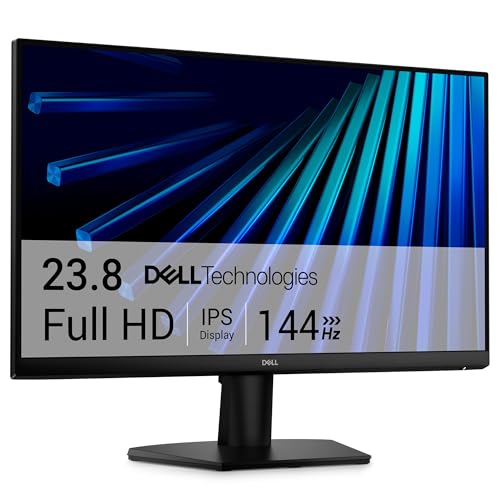
Dell 24 Monitor – SE2426H – 23.8-inch FHD 144Hz 1ms
- ✓ Smooth motion, responsive
- ✓ Good color accuracy
- ✓ Slim, unobtrusive design
- ✕ Built-in speakers are basic
- ✕ Limited USB ports
| Display Size | 23.8 inches |
| Resolution and Panel | Full HD 1920×1080 IPS |
| Refresh Rate | 144 Hz |
| Response Time | 1 ms MPRT |
| Viewing Angles | 178° horizontal / 178° vertical |
| Color/Comfort Certification | TÜV Rheinland 3-star eye comfort certification (reduces blue light) |
The first time I pulled the Dell SE2426H out of the box, I noticed how slim the bezel looked and how light it felt in my hands. I flipped the stand to a comfortable tilt and immediately appreciated the clean, almost borderless edge, even before you power it up.
It’s the kind of monitor you forget is there while you’re deep in edits or a fast-paced game.
Plugging it in, the IPS panel surprised me with colors that felt punchy yet accurate, and the wide 178° viewing angle kept the image consistent as I moved around my desk. The 144Hz refresh and 1ms MPRT weren’t just numbers on a spec sheet; I noticed smoother motion during casual gaming and smoother scrolling during long docs.
It handles everyday multitasking with a calm steadiness that desk setups crave.
If you’re juggling spreadsheets and streams, the TÜV Rheinland eye comfort certification is a small but meaningful win. I noticed less eye fatigue after longer sessions, and the color integrity stayed solid when I shifted between light and dark work environments.
The display looks good from the side too, which matters when you’re sharing your screen during a quick call.
The setup was painless—no ridiculous cables, and the on-screen menu is straightforward enough to tweak for day-to-day use. Ultra-thin bezels help you imagine a bigger workspace, especially when you run multiple monitors side by side.
For the price tag, you’re getting a confident, reliable desktop companion that doesn’t demand a premium workspace for impact.
If you want a responsive, color-consistent monitor that won’t derail your budget, this Dell is worth a serious look. It checks most boxes for a versatile home or small-office setup and still keeps things pleasant for late-night gaming sessions.
Philips 24″ FHD Monitor 241V8LB – 1920×1080 LED, 4ms, 100Hz

- ✓ Crisp Full HD clarity
- ✓ Slim, bezel-free feel
- ✓ Smooth 100Hz performance
- ✕ Limited color depth
- ✕ Built-in speakers absent
| Screen Size | 23.8 inches (diagonal) |
| Resolution | 1920 x 1080 Full HD |
| Panel Type | VA |
| Refresh Rate | 100 Hz |
| Response Time | 4 ms (likely gray-to-gray) |
| Color Depth/ Gamut | 16.7 million colors |
The first time I fired up the Philips 24″ 241V8LB, I noticed how slim the bezels are from edge to edge. It felt oddly immersive right out of the box, like a tiny window to the world of what I was about to do on screen.
I pulled up a fast-paced video and was surprised by how smooth the motion looked at 100Hz, with the VA panel delivering deeper blacks without pulling shadows into mush.
Typing documents and switching between multiple browser tabs felt effortless thanks to the no-nonsense stand and compact footprint. The 24-inch real estate is just right for a desk where space is at a premium, and the 178/178 viewing angles keep colors consistent whether you’re off to the side.
I appreciate the crisp Full HD clarity for everyday tasks—emails, spreadsheets, and streaming look sharp without needing a high-end GPU. In EasyRead mode, lengthy docs felt less fatiguing, which was a small but meaningful win during a long workday.
The screen’s brightness and contrast deliver a solid, punchy picture that still feels balanced in a typical office setting.
Setup was straightforward: plug in, adjust tilt a degree or two, and you’re ready. The 3-sided bezel helps the monitor feel bigger when you’re using it alongside a second screen, which is handy for multitasking.
It’s not a gaming powerhouse, but for desktop work, the 4ms response and 100Hz refresh give you smoothness you’ll notice in scrolling and casual gaming alike.
If you’re after a budget-friendly, reliable desktop monitor that doesn’t shout for attention, this Philips model is a solid pick. It keeps the focus on your work and media without getting in the way.
Samsung 27″ Essential S3 Series FHD 1800R Curved Computer

| Screen Size | 27 inches |
| Panel Type | LCD/LED (FHD) with 1800R curvature |
| Resolution | 1920 x 1080 (Full HD) |
| Refresh Rate | 100 Hz |
| Response to Eye Strain Features | TÜV-certified eye comfort technology; blue light reduction and reduced screen flicker |
| Connectivity and Ports | Direct plug-in connectivity (monitor-only I/O specified in description; exact ports not listed) |
You notice it first in the curve: the 27″ Essential S3 wraps just enough to feel like you’re sitting inside the action, not staring at it. It’s a sweet contrast to flat panels I’ve used, where edges vanish and you miss tiny onscreen details in the corners.
Right away, the 1800R curve helps with immersion without making the display feel tunnel-like. I found myself leaning back slightly and still keeping content crisp, which is great if you desk-hop between work and games.
The 100Hz refresh keeps motion smoother than the budget panels I’ve tried, so fast scenes don’t smear together.
Set-up was straightforward: a slim, sturdy stand and a clean bezelless edge that doesn’t steal desk real estate. The inputs were easy to access, and plugging in peripherals felt seamless for a clean, dedicated workspace.
In gaming mode, you can tweak color and contrast to spot enemies lurking in shadows, which is a nice edge in competitive titles.
Eye comfort mode is noticeable after long sessions. The TÜV-certified eye care tech helps you push through late-night tasks without that usual screen fatigue.
It’s not a pixel-dense dream monitor, but for everyday desktop use, it feels balanced: readable text, solid color depth, and fewer irritations when you’re staring at spreadsheets or long docs.
Day-to-day versatility is where it shines. It supports quick connections for second screen setups and light multimedia duties.
If you’re optimizing a budget workstation, the S3 delivers enough punch to feel more premium than its price tag suggests.
Bottom line: it’s a dependable, comfortable everyday monitor that blends immersion with practicality. It won’t replace a high-end IPS gaming panel, but for a desktop-first setup, it’s hard to beat at this price point.
PROS
Immersive curve that works
Smooth 100Hz performance
Good eye comfort tech
CONS
Basic color depth
Limited high-end features
What Factors Should You Consider When Choosing the Best Monitor for Your Desktop?
When choosing the best monitor for your desktop, several key factors should be taken into account.
- Screen Size: The size of the monitor significantly impacts your viewing experience and workspace. Larger screens provide more screen real estate for multitasking and can enhance immersion in games and movies, while smaller screens may be suitable for compact spaces or simpler tasks.
- Resolution: The resolution determines the clarity and detail of the images displayed. Higher resolutions, like 4K, offer sharper images and more detail, which is essential for graphic design, video editing, and gaming, while lower resolutions might suffice for basic office tasks.
- Panel Type: Different panel technologies, such as IPS, TN, and VA, offer varying benefits in color accuracy, response times, and viewing angles. IPS panels are known for their excellent color reproduction and wide viewing angles, making them ideal for creative work, while TN panels usually provide faster response times for gaming.
- Refresh Rate: The refresh rate, measured in Hertz (Hz), indicates how many times the monitor refreshes its image per second. A higher refresh rate, like 144Hz or 240Hz, is particularly beneficial for gaming, providing smoother motion and reducing motion blur, while 60Hz is typically adequate for general use.
- Connectivity Options: The types and number of ports available on a monitor can affect compatibility with your devices. Look for monitors with multiple connection options such as HDMI, DisplayPort, and USB-C to ensure versatility and ease of use with different devices and setups.
- Ergonomics: Ergonomic features such as height adjustment, tilt, swivel, and pivot capabilities enhance user comfort and help reduce strain during prolonged use. A monitor that can be adjusted to your eye level and viewing preferences can contribute to a healthier workspace.
- Color Accuracy: For tasks that require precise color reproduction, such as photography or graphic design, a monitor with high color accuracy is crucial. Look for monitors that cover a wide color gamut and offer factory calibration to ensure true-to-life colors.
- Budget: Your budget will ultimately influence your choice of monitor, as prices can vary widely based on features and specifications. Assess your needs carefully to find a balance between the features you desire and what you can afford without compromising on quality.
How Important is Screen Size in Selecting the Best Desktop Monitor?
- Productivity: Larger screens allow for more windows and applications to be open simultaneously, enhancing multitasking capabilities. This is particularly beneficial for professionals who work with complex data, design software, or need to reference multiple documents at once.
- Resolution and Clarity: The effectiveness of a monitor’s screen size is also influenced by its resolution. A larger screen with a lower resolution may appear pixelated, while a smaller screen with a high resolution can provide sharper images and better detail, making it essential to find the right balance.
- Distance from the Screen: The viewing distance can affect how beneficial a larger screen is; if a monitor is too large for the distance, it may cause strain on the eyes. Ergonomically, it is important to choose a size that allows for comfortable viewing without excessive head movement or eye fatigue.
- Gaming and Entertainment: For gaming and multimedia consumption, larger screens can create a more immersive experience. The size enhances visual depth and can make it easier to appreciate the finer details in high-definition content.
- Desk Space: The physical dimensions of your workspace must be considered when choosing a monitor size. A monitor that is too large for a small desk can lead to cramped conditions, while a more appropriately sized monitor can help maintain an organized and functional workspace.
Why Does Resolution Matter for the Best Desktop Monitor Experience?
Resolution plays a crucial role in determining the quality of your desktop monitor experience. It refers to the number of pixels that comprise the display, generally expressed in width x height format (e.g., 1920×1080). Higher resolutions yield sharper and clearer images, greatly enhancing visual clarity for various activities such as gaming, graphic design, or movie watching.
Key aspects of resolution include:
-
Detail Clarity: A monitor with a higher resolution can reproduce finer details. For instance, a 4K monitor (3840×2160) provides four times the pixel density of a 1080p monitor, which is beneficial for tasks like photo editing or detailed design work.
-
Screen Size Compatibility: The effectiveness of resolution is also dependent on the monitor size. Large screens paired with low resolution may appear pixelated. For example, a 27-inch monitor at 1440p is optimal for a detailed view, whereas a 24-inch screen can comfortably utilize 1080p.
-
Eye Strain Reduction: Higher resolutions often lead to smoother text and images, which can reduce eye fatigue during prolonged use.
Choosing the right resolution is essential for an immersive and productive desktop monitor experience, tailored to your specific needs and preferences.
What Refresh Rate Should You Look for in the Best Desktop Monitor?
The refresh rate is a crucial factor to consider when selecting the best monitor for desktop use, as it impacts the visual experience and responsiveness of the display.
- 60Hz: This is the minimum refresh rate you should look for in a monitor for general use, including web browsing, office applications, and streaming videos. A 60Hz refresh rate provides smooth visuals for everyday tasks, but it may not be sufficient for fast-paced gaming or high-action video content.
- 120Hz: A 120Hz refresh rate is an excellent choice for gamers and those who enjoy high-frame-rate content. It allows for smoother animations and reduces motion blur, making it ideal for action games and fast-moving videos, enhancing the overall visual experience significantly.
- 144Hz: The 144Hz refresh rate has become the standard for gaming monitors, offering an exceptional balance between performance and affordability. It results in incredibly smooth gameplay, reduces input lag, and improves responsiveness, making it particularly beneficial for competitive gamers who require quick reaction times.
- 240Hz: For serious gamers and esports enthusiasts, a 240Hz refresh rate provides the ultimate performance. It delivers ultra-smooth motion and an incredibly responsive experience, allowing for finer details in fast-paced gameplay, though it requires a powerful graphics card to take full advantage of the higher frame rates.
- Adaptive Sync Technologies (G-Sync/FreeSync): While not a refresh rate per se, monitors with Adaptive Sync technologies can dynamically adjust their refresh rates to match the frame rate output of your graphics card. This prevents screen tearing and stuttering, providing a smoother visual experience, especially in high-action scenarios.
How Do Different Panel Types Impact Your Choice of the Best Monitor?
The choice of monitor can significantly influence your desktop experience, depending on various panel types available.
- IPS (In-Plane Switching): IPS panels are known for their superior color accuracy and wide viewing angles, making them ideal for graphic design and photography. They maintain consistent color reproduction, even when viewed from different angles, which is essential for professionals who require precise color fidelity.
- TN (Twisted Nematic): TN panels are typically favored for their fast response times and low production costs, making them a popular choice for gamers. However, they sacrifice color accuracy and viewing angles, which may not be suitable for tasks requiring detailed visual work.
- VA (Vertical Alignment): VA panels offer excellent contrast ratios and deeper blacks compared to IPS and TN panels, making them well-suited for watching movies and gaming in darker environments. They strike a balance between color performance and response time, though they may not match the speed of TN panels.
- OLED (Organic Light Emitting Diode): OLED monitors provide exceptional color vibrancy and perfect blacks due to their ability to turn individual pixels on and off. This technology is becoming increasingly popular for high-end displays, particularly for creative work and immersive gaming, although they can be more expensive than traditional LCD panels.
- Mini-LED: Mini-LED technology enhances LCD screens by using smaller LEDs for backlighting, resulting in better contrast and brightness control. This type of panel offers improved HDR performance and can compete with OLED in terms of visual quality, making it a versatile option for both gaming and professional use.
What are the Different Types of Monitors You Can Choose for Desktop Use?
The different types of monitors suitable for desktop use include:
- LCD Monitors: Liquid Crystal Display monitors are lightweight and energy-efficient, making them a popular choice for everyday use. They provide good image quality and are available in various sizes, suitable for both casual users and professionals.
- LED Monitors: Light Emitting Diode monitors are essentially LCDs that use LED backlighting, which enhances brightness and color accuracy. They typically have a slimmer profile and improved energy efficiency compared to traditional LCD monitors.
- OLED Monitors: Organic Light Emitting Diode monitors offer superior color reproduction and contrast ratios, as each pixel emits its own light. This technology is highly favored by graphic designers and gamers for its vibrant visuals and deep blacks.
- 4K Monitors: These monitors provide ultra-high-definition resolution, offering four times the pixels of Full HD displays. They are ideal for content creators, gamers, and anyone who values sharp images and increased screen real estate for multitasking.
- Curved Monitors: Curved monitors provide an immersive viewing experience by wrapping the display around the viewer’s field of vision. This design reduces eye strain and offers a more natural viewing angle, making them popular for gaming and cinematic experiences.
- Ultrawide Monitors: Ultrawide monitors feature a 21:9 aspect ratio, providing more horizontal screen space than traditional monitors. They are perfect for multitasking as they can easily replace a dual monitor setup, allowing users to have multiple windows open side by side.
- Gaming Monitors: Designed specifically for gamers, these monitors often boast high refresh rates, low response times, and adaptive sync technologies (like G-Sync or FreeSync). They enhance the gaming experience with smoother visuals and reduced motion blur, making them a top choice for competitive gaming.
What Advantages Do LED Monitors Offer for Desktop Users?
LED monitors offer several advantages for desktop users, making them an ideal choice for those seeking the best monitor for desktop use.
- Energy Efficiency: LED monitors consume significantly less power compared to traditional LCDs or CRTs. This not only reduces electricity bills but also contributes to a lower environmental impact due to less energy consumption.
- Improved Color Accuracy: LED technology provides better color accuracy and vibrancy, which is essential for graphic design, photo editing, and video production. This enhanced color reproduction allows users to see more realistic images and makes creative work more precise.
- Thin and Lightweight Design: LED monitors are typically thinner and lighter than their counterparts, making them easier to mount on walls or fit into tight spaces on a desk. This sleek design also adds a modern aesthetic that can complement any workspace.
- Better Brightness and Contrast: LED monitors offer superior brightness levels and contrast ratios, leading to sharper images and better visibility in various lighting conditions. This feature is particularly beneficial for users who work in brightly lit environments or need to view detailed content.
- Longer Lifespan: LED monitors have a longer lifespan than traditional display technologies, often lasting over 30,000 hours of use. This longevity means users can invest in a monitor that will serve them well for years without the need for frequent replacements.
- Faster Response Times: Many LED monitors come with faster response times, which reduces motion blur during fast-paced activities such as gaming or video playback. This responsiveness enhances the overall user experience, especially for gamers seeking competitive advantages.
- Wide Viewing Angles: LED monitors often feature wider viewing angles, allowing multiple users to view the screen without significant color distortion or loss of quality. This is advantageous in collaborative work environments where several people may need to see the display simultaneously.
How Do IPS Monitors Differ from TN Monitors in Performance?
IPS monitors and TN monitors differ significantly in performance characteristics, impacting color accuracy, viewing angles, and response times.
- Color Accuracy: IPS monitors are renowned for their superior color reproduction, making them ideal for tasks requiring precise color representation, such as graphic design and photo editing. TN monitors, while capable, tend to have less vibrant colors and can struggle with subtle color gradients.
- Viewing Angles: One of the standout features of IPS monitors is their wide viewing angles, allowing for consistent image quality when viewed from different positions. In contrast, TN monitors have narrower viewing angles, leading to color and contrast shifts when viewed off-center.
- Response Times: TN monitors typically offer faster response times, making them suitable for fast-paced gaming where motion blur is a concern. However, advancements in IPS technology have improved their response times, closing the gap for gaming while still prioritizing color performance.
- Brightness and Contrast: IPS panels generally provide better brightness and contrast ratios, resulting in a more dynamic and visually appealing image. TN panels may fall short in these areas, leading to a flatter image, especially in darker scenes.
- Price Point: IPS monitors usually come at a higher price compared to TN monitors due to their advanced technology and superior performance features. For budget-conscious consumers, TN monitors can be an attractive option, particularly for general usage where high color fidelity is not a priority.
Why Might Curved Monitors Be the Best Choice for Your Desktop Setup?
Curved monitors may be the best choice for your desktop setup because they provide a more immersive viewing experience and enhance comfort during prolonged use by reducing eye strain.
According to a study published by the Society for Information Display, curved screens can improve the field of view and create a more natural visual experience, as they mimic the curvature of the human eye. This design allows users to take in the entire screen without needing to move their heads as much, which can lead to less discomfort and fatigue over time.
The underlying mechanism behind the benefits of curved monitors lies in their ability to reduce glare and reflections, as well as the way they project images. Curved screens help maintain a consistent distance between the viewer’s eyes and the screen surface, which can enhance the perceived depth and detail of images. Furthermore, the curvature can enhance peripheral vision, allowing for a more engaging experience, especially in gaming or multimedia applications. This ergonomic advantage can be particularly beneficial for users who spend long hours in front of their screens, thereby promoting better posture and reducing the likelihood of musculoskeletal issues.
What Budget Should You Consider for the Best Desktop Monitor?
When considering the budget for the best monitor for desktop use, it’s essential to evaluate various factors that influence price and performance.
- Resolution: The resolution of a monitor significantly affects both clarity and price. Higher resolutions such as 4K (3840 x 2160) provide sharper images and more screen real estate, which is ideal for graphic design or gaming, but they tend to be more expensive compared to standard Full HD (1920 x 1080) monitors.
- Refresh Rate: The refresh rate, measured in hertz (Hz), indicates how many times per second the monitor updates the display. Monitors with higher refresh rates, such as 144Hz or 240Hz, are particularly suited for gaming as they offer smoother motion; however, these premium features come at a higher cost.
- Panel Type: Different panel types, such as IPS (In-Plane Switching), TN (Twisted Nematic), and VA (Vertical Alignment), offer various advantages and drawbacks. IPS panels provide better color accuracy and viewing angles, making them suitable for professional work, while TN panels are typically cheaper but may sacrifice color quality.
- Size: Monitor size is a crucial aspect that can influence both usability and pricing. Larger monitors (27 inches and above) can enhance productivity by allowing for multitasking, but they generally require a higher budget compared to smaller screens.
- Connectivity Options: The types and number of ports available on a monitor can affect its usability. Monitors with multiple connectivity options like HDMI, DisplayPort, USB-C, and built-in hubs tend to be more versatile and can often command a higher price, providing better compatibility with various devices.
- Brand and Warranty: The brand reputation and warranty coverage can impact the overall budget, as established brands often charge a premium for their products. Additionally, a good warranty can save costs in the long run by providing protection against defects and ensuring durable performance.
How Do User Reviews Help Identify the Best Desktop Monitors on the Market?
User reviews play a crucial role in identifying the best desktop monitors by providing insights into real-world performance and user satisfaction.
- Real-World Performance Insights: User reviews often highlight how monitors perform in everyday tasks such as gaming, graphic design, or general office work. This information helps potential buyers understand whether a monitor’s specifications translate into practical performance.
- Build Quality and Reliability: Reviews frequently mention the durability and build quality of a monitor, including issues like screen flickering or color accuracy. This feedback can help buyers avoid models that may have hidden flaws that aren’t apparent from technical specifications alone.
- Customer Support Experiences: Users often share their experiences with customer service when dealing with issues like returns or warranty claims. This information can be vital for prospective buyers who want to ensure they will have support if something goes wrong with their purchase.
- Value for Money: Reviews can provide insight into whether users feel they received good value based on the price and performance of the monitor. This can help buyers compare options and make informed decisions based on what others have experienced.
- Comparative Analysis: Many reviews include comparisons with other monitors, detailing strengths and weaknesses. This comparative feedback provides context and helps users understand how a monitor stacks up against its competitors in the same price range or category.
- User-Centric Features: Reviews often mention features that are particularly beneficial for users, such as eye care technology, adjustable stands, or connectivity options. This focuses on how well the monitor meets specific needs, which can vary greatly among users.
What Are the Commonly Mentioned Pros and Cons of the Top Desktop Monitors?
| Aspect | Pros | Cons |
|---|---|---|
| Display Quality | High resolution and color accuracy for better visuals. | Can be expensive; not all monitors offer the same quality. |
| Ergonomics | Adjustable stands promote better posture and comfort. | Some models may lack flexibility in adjustments. |
| Connectivity | Multiple ports for various devices enhance versatility. | Older models may have limited connectivity options. |
| Price | Wide range of options available for different budgets. | High-end models can be significantly pricey. |
| Refresh Rate | Higher refresh rates provide smoother motion for gaming and video. | Not all monitors support high refresh rates; can increase cost. |
| Response Time | Lower response times reduce motion blur for fast-moving images. | Some monitors may have higher response times, affecting performance. |
| Size and Form Factor | Variety of sizes and designs to fit different workspaces. | Larger monitors may require more desk space and can be cumbersome. |
| Brand Reliability | Established brands often provide better quality and performance. | Less known brands may offer lower quality or inconsistent performance. |
| Warranty and Support | Good warranty and support can enhance buyer confidence and protection. | Some brands may have poor customer service or limited warranty coverage. |