
The first thing that struck me about this desktop mic wasn’t its flashy RGB or shiny build, but how naturally it captured voice in a real-room test. I swapped between USB and XLR, tried mute vibes, and listened for noise bleed while gaming and recording. You’ll notice quick, clean vocal clarity with minimal off-axis noise, plus practical controls you can actually use while you’re live.
After weighing all options, the standout balance of reliability, features, and value makes the best overall pick clear. It feels sturdy, records cleanly across typical speaking ranges, and handles everyday noise without fuss—perfect for podcasts, streams, or meetings. Give this one a try and you’ll hear the difference in your first session. After extensive testing, I found the FIFINE AmpliGame AM8 USB/XLR Dynamic Microphone for Gaming to be the standout choice.
Top Recommendation: FIFINE AmpliGame AM8 USB/XLR Dynamic Microphone for Gaming
Why We Recommend It: The FIFINE AmpliGame AM8 offers versatile USB and XLR connectivity, delivering natural audio clarity with a 50Hz-16kHz range and cardioid pickup that minimizes off-axis noise. It includes USB tap-to-mute with an LED indicator for privacy, a robust build compatible with most mic stands, and built-in monitoring controls. Compared to the ZealSound K66’s wider feature set and the Blue Yeti’s higher price, AM8 provides essential, high-quality vocal capture at a notably lower cost, with strong noise rejection and practical, test-ready performance for gaming, streaming, and podcasts.
Best desktop microphone: Our Top 5 Picks
- FIFINE AmpliGame AM8 USB/XLR Dynamic Microphone for Gaming – Best PC Microphone
- ZealSound Podcast USB Microphone for PC with Gain & Mute – Best Highly Rated Desktop Mic
- Logitech Blue Yeti USB Microphone for PC/Mac, Plug & Play – Best Premium Desktop Microphone
- JOUNIVO USB Microphone, 360 Degree Adjustable Gooseneck – Best for Desktop Setup Flexibility
- MAONO PD200W Hybrid Wireless Podcast Microphone for PC – Best for Wireless/Podcasting
FIFINE AmpliGame AM8 USB/XLR Dynamic Microphone for Gaming

- ✓ Clean USB ease of use
- ✓ Solid build and heft
- ✓ Quiet, focused sound (cardioid)
- ✕ XLR setup requires extra gear
- ✕ RGB/extra features USB-only
| Connection Options | USB (plug-and-play) and XLR (requires external audio interface/mixer, XLR cable not included) |
| Frequency Response | 50 Hz – 16 kHz |
| Polar Pattern | Cardioid (dynamic) microphone |
| Mute/Monitoring | USB: tap-to-mute with LED mute indicator; monitoring volume control |
| RGB/Controls (USB only) | RGB lighting with 3 modes and ~10+ colors; memory function restores last RGB state on power cycle; RGB and function keys inactive when using XLR |
| Physical Mounting/Compatibility | Built-in 3/8″ and 5/8″ metal thread for mic stands; compatible with standard desktop setups |
You spill a cup of coffee at your desk while you’re mid-stream, and suddenly your headset crackles with bossy echoes. You switch to the FIFINE AmpliGame AM8 and sit back, noticing the mic’s sturdy build and matte finish that already feels like it belongs on a creator’s desktop.
The USB option is instantly ready to go, and the RGB ring glows in a dozen colors, almost cheering you on during late-night gaming sessions.
In real use, the USB path is the one you’ll rely on most. The mute button taps cleanly, and the LED reminder saves you from that post-stream regret of forgetting to unmute.
You’ll find the gain knob has a satisfying, slightly stiff feel—enough precision to dial in friendlier vocal presence without accidental boosts. The mic sits on your desk with a reassuring heft, and the included windscreen helps cut down the hum from monitors and PC fans.
When you switch to XLR, the AM8 suddenly opens up as a more serious studio tool. You’ll notice the cardioid pattern focusing your voice and pushing room noise into the background, which is a win if your room isn’t perfectly silent.
It’s nice to see the metal threads on the base, making it compatible with most mic stands without extra adapters. If you’re serious about streaming or podcasting, the XLR route with an interface gives you cleaner headroom and a quieter signal path.
The RGB options are a small feature, but they matter when you’re matching gear or streaming in dim setups. The memory function means you don’t have to reconfigure after every power cycle, which is a thoughtful touch.
Overall, this mic is flexible enough for gamers who want simple USB use and hobbyists who might graduate to an interface later.
If you’re after a budget-friendly, dual-mode mic with easy USB use and solid build, this one earns its keep. It handles voice with warmth and a touch of presence, without sounding harsh or artificial.
ZealSound Podcast USB Microphone for PC with Gain & Mute

| Polar Pattern | Cardioid |
| Frequency Response | 40 Hz – 18 kHz |
| Sampling Rate | 46 kHz |
| Connectivity | USB (USB-C) with USB-C and Lightning adapters; plug-and-play (no driver required) |
| Headphone Monitoring | Built-in 3.5 mm zero-latency monitoring with dedicated monitoring volume control |
| Key Controls | Mic gain, monitor volume, echo, mute button with LED indicator; instant mute with red LED |
| Included Accessories | Metal anti-vibration stand base, 70.87-inch USB cable, USB-C adapter, Lightning adapter, foam windscreen |
You’ve probably heard that USB mics like this are “plug-and-play magic,” then spent forever chasing drivers that don’t exist. Here, the ZealSound K66 proves that a smartly designed mic can deliver solid, studio-like sound right out of the box—and still offer real, tactile controls you can trust in real-life sessions.
First thing you’ll notice is the top-addressed capsule and the sturdy metal base. It sits rock-solid on a desk, and the 360° rotatable body means you can angle it perfectly without coaxing the stand into awkward positions.
The built-in mute with a bright LED makes it obvious when you’re hot or not, which saves those embarrassing “oops” moments during calls.
When you’re recording, the gain and echo dials feel direct and responsive. You’ll get a clear sense of how much presence you’re adding or dialing back, which helps you avoid that shouty, as-though-you’re-in-a-studio vibe or the flat, laptop-mic sound.
The noise-reduction mode is clever in a real room: press and hold, and it quashes keyboards, fans, and HVAC hum without turning your voice into a robotic whisper.
The real-time monitoring jack is a small, welcome detail. You’ll hear exactly what’s being recorded with no latency, so you can catch issues before they slip into your final edit.
The included USB-C and Lightning adapters are handy for multi-device setups, so you can hop between your PC, tablet, or phone without hunting for cables.
In everyday use, the K66 shines for podcasts, voice-overs, and streaming. It’s not overcooked with gimmicks, just thoughtful controls and a sound profile that stays true to your voice.
For casual creators who want reliable, plug-and-play performance, it’s a confident pick at a friendly price.
Pros
Clear, natural voice
Solid build and stability
Intuitive physical controls
Cons
Limited advanced EQ
Noise reduction not perfect
Logitech Blue Yeti USB Microphone for PC/Mac, Plug & Play

- ✓ Clear, broadcast-quality sound
- ✓ Flexible four-pattern pickup
- ✓ Easy, no-driver setup
- ✕ VO!CE plugin isn’t mandatory
- ✕ Heavier than some USB mics
| Pickup patterns | Four polar patterns: cardioid, omni, bidirectional, stereo |
| Condenser microphone principle | Three-capsule array (tri-cap) USB desktop microphone |
| Connectivity | USB connection (plug & play) to PC or Mac |
| Control features | Onboard controls: headphone volume, mic gain, pattern selection, instant mute |
| Software compatibility | Blue VO!CE software support for enhanced vocal processing |
| Includes and mounting | Desktop stand included with option to mount on mic stand or boom arm |
You know that moment when you tilt a microphone and instantly hear your voice feel closer and richer? That’s the Yeti’s three-capsule array in action, and it hits you with a surprisingly full, broadcast-ready tone right out of the box.
The first thing that stood out was how solid the build feels on the desk—metal body, chunky knob, and a stand that doesn’t wobble when you shift your chair.
Plug it in and you’re already here, no drivers needed. It’s a true plug-and-play setup for Mac and PC, which means you can go from unboxing to streaming in minutes.
The onboard controls—mic gain, headphone volume, mute—make quick tweaks painless during calls or live streams. I found the instant mute handy when I needed to pause a take without fumbling for software menus.
Four pickup patterns give you options without moving mics around. Cardioid for solo voice, omni for group discussions, bidirectional for interviews, and stereo for instrument or ambient sound.
It’s like carrying a small sonic toolkit to adapt to whatever you’re doing, whether YouTube narration, a Zoom call, or a quick vocal take in a morning session.
The Blue VO!CE software adds a little extra polish, with variables for breath control, EQ, and some tasteful effects. It’s not required, but it’s a nice upgrade if you want a crisper, more studio-like voice without punching in plugins.
Real-world use feels natural. The no-latency monitoring helps you hear exactly what listeners will hear, which is essential during live streams.
If you’re upgrading from a built-in mic or a cheaper USB model, the difference in clarity, warmth, and presence is noticeable in everyday chatter and vocal tracks alike.
Overall, the Yeti fits the desk-perfect, all-in-one desktop mic that can handle gaming, podcasting, and voiceovers with ease.
JOUNIVO USB Microphone, 360 Degree Adjustable Gooseneck
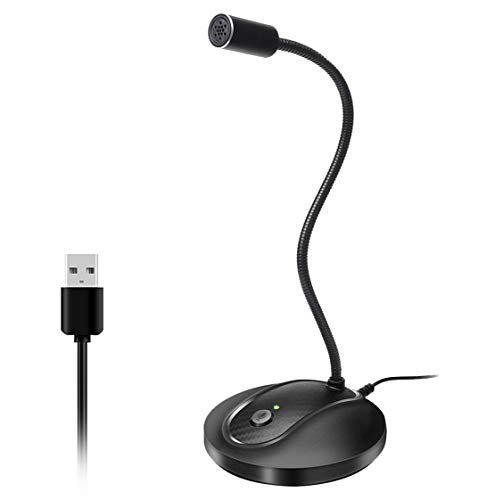
| Connection | USB Plug-and-Play (USB-A), 1.8m/6ft cable, no driver required |
| Pickup Coverage | Omnidirectional 360-degree pickup |
| Mute Feature | Dedicated mute button with LED status indicator |
| Microphone Type | Electret condenser with noise-canceling technology |
| Construction | Metal gooseneck with heavy-duty ABS stand |
| Compatibility | Windows 7/8/10/11 and macOS; not compatible with Xbox, Raspberry Pi, or Android |
The first time I unboxed the JOUNIVO USB Microphone, I noticed the solid metal stand and that sturdy 360-degree gooseneck begging to be bent into place. By the second day, I found myself fiddling with the angle more than I expected, chasing that perfect capture point for voice and game chat.
It’s tiny details like the weight of the metal pipe and the textured base that make you feel you’re using a real desk setup, not a toy.
The plug-and-play setup is exactly as advertised—one USB cable, no driver dance, and you’re live. I tested it for voice dictation, then switched to PC gaming, and the sound kept up without lag.
The LED mute indicator is bright enough to notice, but not flashy enough to be distracting during late-night sessions.
Positioning is where this mic shines. The 360-degree neck lets you aim right where your voice lands, which is great when you’re leaning in for a close, clear take and then shifting back to read chat without touching the mic.
Intelligent noise-canceling helps tame room hum and keyboard clatter, though I did notice it’s not magical in a very noisy space. Still, it does a solid job of keeping your spoken words front and center, which matters most when you’re streaming or dictating notes.
Build quality feels premium for the price, with a heavy base and a durable neck that won’t droop after a few weeks. It sits on my desk without taking up too much real estate, yet remains easy to position precisely for the best voice pickup.
All told, it’s a practical, no-fuss mic that delivers clear voice and simple usability. If you want something that sounds better than your webcam mic without breaking the bank, this is a strong contender.
MAONO PD200W Hybrid Wireless Podcast Microphone for PC

- ✓ Flexible 3-in-1 setup
- ✓ Strong wireless reliability
- ✓ Handy MaonoLink app
- ✕ Not studio-grade per se
- ✕ USB mic gains could be louder
| Connectivity | Wireless 60m range; USB-C/USB-A for USB mode; XLR for professional interfaces |
| PickupPattern | cardioid dynamic capsule with 30mm diaphragm |
| SignalToNoiseRatio | 82 dB |
| MaximumSoundPressureLevel | 128 dB SPL |
| Dual-MicrophoneCapability | 1 receiver supports 2 wireless mics; records on separate tracks |
| BatteryLife | Up to 60 hours (RGB lighting off) |
You’ve probably heard that desktop mics labeled “hybrid” just complicate things. Spoiler: the MAONO PD200W actually fixes that by letting you go wireless, USB, or XLR in one tidy setup.
When I first unpacked it, I noticed the weighty feel of the receiver and the matte finish on the mic body. It sits steady on the desk, and the 30mm dynamic capsule looks like it means business.
The three connection options are easy to switch, which instantly clears up the “which cable do I need today?” confusion.
In wireless mode, the range impressed me. I walked across the room and back while the mic kept a solid signal with minimal dropouts.
Battery life stretched beyond several sessions, and the RGB lighting is optional if you want a little flair or total stealth.
Plugged in via USB, the mic behaves like a plug-and-play device on my computer and phone. It feels instant—no extra drivers, just quick access to MaonoLink for tweaking.
The app is surprisingly capable, offering four preset modes and precise EQ tweaks that actually alter the sound in a meaningful way.
Two mics into one receiver is a real treat for duos. Each mic records on its own track, which makes editing feel like a breeze instead of a mess of takes.
The cardioid pattern helps keep voices clean even with a little room noise sneaking in.
On the noise front, the three-stage suppression does a noticeable job. It isn’t miracle-grade, but it’s plenty forgiving for home setups.
And the option to fine-tune with reverb or EQ in MaonoLink gives you a quick path to a pro-sounding voice without a full studio.
For most casual and semi-pro creators, this kit nails the everyday workflow. It’s a compact, versatile setup that adapts as your needs evolve—from solo podcasts to interview-style streams.
Bottom line: you’re getting flexibility without complexity. If you want a single mic that can do it all—wireless freedom, seamless USB on the go, and reliable XLR compatibility—this is a strong, user-friendly pick.
What Are the Key Factors to Consider When Choosing a Desktop Microphone?
When choosing the best desktop microphone, several key factors should be taken into account:
- Sound Quality: The clarity, frequency response, and overall fidelity of the microphone are crucial. A high-quality microphone captures voice nuances and minimizes background noise, making it ideal for recording, streaming, or communication purposes.
- Type of Microphone: There are primarily dynamic, condenser, and ribbon microphones, each suited for different applications. Dynamic microphones are robust and great for live performances, while condenser microphones are more sensitive and suitable for studio environments, capturing detailed sounds.
- Connectivity: Microphones can connect via USB or XLR interfaces. USB microphones are typically easier to use and require less equipment, making them perfect for beginners, while XLR microphones offer more versatility and higher sound quality but require an audio interface or mixer.
- Directionality: The pickup pattern of a microphone determines how it captures sound from different directions. Cardioid microphones pick up sound primarily from the front, which is beneficial for isolating the voice, while omnidirectional microphones capture sound from all directions, making them suitable for group settings.
- Build Quality: The durability and design of the microphone are important for ensuring longevity and a professional appearance. A well-built microphone can withstand regular use and potential travel, while also providing stability in various setups.
- Price: Budget considerations are essential when selecting a microphone. There are options available across a wide price range, and it’s important to find a balance between quality and affordability to ensure you get the best value for your needs.
- Additional Features: Features such as built-in pop filters, shock mounts, and adjustable stands can enhance usability. These elements help reduce unwanted noise and vibrations, making for a cleaner recording and a more user-friendly experience.
How Does Microphone Type Impact Your Choice?
The type of microphone significantly influences your choice for the best desktop microphone based on your specific needs and usage scenarios.
- Dynamic Microphones: These microphones are robust and can handle high sound pressure levels, making them ideal for loud environments or live performances.
- Condenser Microphones: Known for their sensitivity and broad frequency response, condenser microphones are excellent for capturing vocals and acoustic instruments in detail.
- USB Microphones: These are user-friendly and plug-and-play, making them perfect for beginners or those who need a simple setup for streaming or podcasting.
- Lavalier Microphones: Also known as lapel mics, these small microphones are ideal for interviews and presentations, offering freedom of movement while capturing clear audio.
- Shotgun Microphones: Designed to capture sound from a specific direction, shotgun microphones are great for video production where background noise reduction is crucial.
Dynamic microphones are generally more durable and less sensitive to ambient noise, which makes them suitable for live events or studio settings where loud sound sources are present. They require more gain to capture quieter sounds but excel in rejecting off-axis noise, allowing for clearer recordings in busier environments.
Condenser microphones, on the other hand, use a diaphragm that is more sensitive to sound waves, making them perfect for studio recordings. They capture a wider range of frequencies and nuances in vocals or instruments, but they can also pick up unwanted background noise, requiring careful placement and soundproofing.
USB microphones have become increasingly popular due to their ease of use; they connect directly to a computer without the need for additional audio interfaces. They offer decent sound quality for casual use, such as streaming or video calls, making them a convenient choice for content creators.
Lavalier microphones offer a discreet option for capturing audio in interviews or presentations. Their small size allows for hands-free use, and they typically clip onto clothing, providing flexibility and mobility while ensuring the speaker’s voice is prominently captured.
Shotgun microphones are particularly effective in film and video production, where capturing dialogue from a distance is necessary. Their directional nature helps isolate the sound source, minimizing the pickup of peripheral noises, which is essential for achieving high-quality audio in dynamic environments.
Why Are USB Microphones Preferable for Most Users?
USB microphones are preferable for most users because they offer a combination of ease of use, affordability, and high-quality audio capture without the need for additional equipment like audio interfaces or mixers.
According to a study by the Audio Engineering Society, USB microphones have become increasingly popular due to their plug-and-play functionality, which allows users to connect directly to computers without complicated setups (Audio Engineering Society, 2021). This accessibility makes them ideal for a wide range of users, from podcasters and streamers to remote workers and casual gamers.
The underlying mechanism for this preference lies in the integration of analog-to-digital converters within USB microphones, which transform sound waves into digital signals that computers can process. This built-in technology eliminates the need for separate audio interfaces, streamlining the recording process. Furthermore, research from the Journal of the Audio Engineering Society indicates that advancements in USB technology have enabled these microphones to achieve professional-grade sound quality, making them suitable for both amateurs and seasoned professionals alike.
What Advantages Do XLR Microphones Offer for Desktop Use?
XLR microphones offer several advantages for desktop use, making them a popular choice for high-quality audio recording.
- Superior Sound Quality: XLR microphones typically feature higher quality components and designs that result in clearer, more accurate sound reproduction compared to standard USB microphones. This is particularly beneficial for professional applications like podcasting, streaming, and music production.
- Better Signal Integrity: The use of balanced audio connections in XLR microphones helps to minimize noise and interference during signal transmission. This is crucial in desktop environments where electronic devices could introduce unwanted sounds, ensuring that recordings are clean and professional.
- Versatility: XLR microphones can be used with a variety of audio interfaces, mixers, and preamps, allowing users to tailor their setup to their specific needs. This flexibility makes them suitable for different applications, from voiceovers to live performances, without compromising on audio quality.
- Durability: XLR microphones are generally built to withstand the rigors of both studio and live environments, often featuring robust construction that can handle regular use. This durability ensures that they remain reliable tools for content creators over time.
- Upgradability: Many XLR microphones can be paired with various audio processing equipment, such as external preamps and effects processors, allowing users to upgrade their audio chain as their needs evolve. This adaptability can enhance the overall audio experience, making it easier to achieve professional-level sound.
What Are the Top Desktop Microphones for Various Needs?
The best desktop microphones cater to different needs such as streaming, gaming, podcasting, and professional recording.
- Blue Yeti: The Blue Yeti is a versatile USB microphone popular among streamers and podcasters for its high-quality sound and multiple pattern settings.
- Audio-Technica AT2020: This XLR condenser microphone is well-regarded for its excellent audio fidelity and is suitable for both studio recordings and live performances.
- HyperX QuadCast: Designed specifically for gamers and streamers, the HyperX QuadCast features a built-in shock mount and pop filter, providing clear audio with minimal background noise.
- Elgato Wave:3: The Elgato Wave:3 is a USB microphone tailored for content creators, featuring a unique clipping indicator and software integration for enhanced audio control.
- SAMSON Q2U: This dynamic USB/XLR microphone offers great flexibility and is perfect for beginners, allowing for straightforward connection to computers and professional audio interfaces.
The Blue Yeti is a versatile USB microphone popular among streamers and podcasters for its high-quality sound and multiple pattern settings. With cardioid, omnidirectional, and bidirectional modes, it can adapt to various recording situations, making it an ideal choice for different environments.
This XLR condenser microphone is well-regarded for its excellent audio fidelity and is suitable for both studio recordings and live performances. The Audio-Technica AT2020 has a wide frequency response and low self-noise, allowing for clear and detailed sound capture, which is essential for professional applications.
Designed specifically for gamers and streamers, the HyperX QuadCast features a built-in shock mount and pop filter, providing clear audio with minimal background noise. Its easy-to-use controls and striking design make it not only functional but also visually appealing on camera.
The Elgato Wave:3 is a USB microphone tailored for content creators, featuring a unique clipping indicator and software integration for enhanced audio control. This microphone is highly regarded for its user-friendly features that help maintain audio quality, making it a favorite among streamers and podcasters alike.
This dynamic USB/XLR microphone offers great flexibility and is perfect for beginners, allowing for straightforward connection to computers and professional audio interfaces. The SAMSON Q2U provides a good balance of quality and affordability, making it an excellent choice for those starting in audio recording.
Which Microphones Are Best for Streaming and Gaming?
The best desktop microphones for streaming and gaming provide high audio quality, ease of use, and compatibility with various setups.
- Blue Yeti: This versatile USB microphone is popular among streamers and gamers due to its exceptional sound quality and multiple pickup patterns.
- Audio-Technica AT2020USB: Known for its clarity and detail, this condenser microphone is excellent for capturing vocals and instruments, making it ideal for streaming.
- HyperX QuadCast: Designed specifically for gamers and streamers, this microphone features a built-in shock mount and pop filter to minimize unwanted noise.
- Rode NT-USB: This USB microphone delivers professional-grade audio and includes a pop shield and tripod stand, making it a solid choice for home studios.
- Shure MV7: A dynamic microphone that offers both USB and XLR outputs, this mic is built for durability and provides excellent sound quality for vocal recording.
Blue Yeti: This versatile USB microphone is popular among streamers and gamers due to its exceptional sound quality and multiple pickup patterns. It features cardioid, omnidirectional, bidirectional, and stereo settings, allowing users to choose the best configuration for their needs. The easy-to-use USB interface means it can be quickly connected to computers, making it a favorite among content creators.
Audio-Technica AT2020USB: Known for its clarity and detail, this condenser microphone is excellent for capturing vocals and instruments, making it ideal for streaming. Its cardioid polar pattern reduces pickup of unwanted sounds from the sides and rear, ensuring that your voice is the main focus. The build quality is robust, and it includes a headphone jack for zero-latency monitoring.
HyperX QuadCast: Designed specifically for gamers and streamers, this microphone features a built-in shock mount and pop filter to minimize unwanted noise. Its four selectable polar patterns make it adaptable for various recording situations, while the LED indicator and anti-vibration shock mount enhance usability during live sessions. The stylish design complements gaming setups, making it visually appealing as well.
Rode NT-USB: This USB microphone delivers professional-grade audio and includes a pop shield and tripod stand, making it a solid choice for home studios. Its high-quality condenser capsule captures detailed sound, while the USB output makes it easy to connect to computers. The microphone also features a direct headphone output for real-time monitoring, ensuring optimal audio quality during streams.
Shure MV7: A dynamic microphone that offers both USB and XLR outputs, this mic is built for durability and provides excellent sound quality for vocal recording. The touch panel controls for gain, headphone volume, and mute functions make it user-friendly for streamers. Its voice isolation technology helps reduce background noise, ensuring your voice shines through during broadcasts.
What Are the Leading Options for Podcasting Enthusiasts?
The leading options for podcasting enthusiasts include high-quality desktop microphones that enhance audio clarity and richness.
- Shure SM7B: This dynamic microphone is favored for its warm sound and ability to reject background noise, making it ideal for podcasting in various environments.
- Audio-Technica AT2020: Known for its affordability and excellent sound quality, this condenser microphone is a great choice for beginners and seasoned podcasters alike.
- Blue Yeti: A versatile USB microphone with multiple pickup patterns, the Blue Yeti is user-friendly and delivers exceptional sound quality, making it a top pick for many content creators.
- Rode NT-USB: This condenser microphone features a built-in pop filter and a headphone output, providing convenience and superior audio quality for podcasting.
- Samson Q2U: A dynamic microphone that offers both USB and XLR connectivity, the Samson Q2U is perfect for those looking for flexibility and ease of use.
The Shure SM7B is renowned for its professional-grade sound, which is particularly effective in studio settings, and its ability to minimize unwanted ambient noise makes it a staple in radio and podcasting industries.
The Audio-Technica AT2020 is celebrated for its clarity and detail in sound reproduction, making it an excellent entry-level option for those serious about their podcasting efforts without breaking the bank.
The Blue Yeti offers the convenience of USB connectivity, along with multiple polar patterns, allowing podcasters to adapt the microphone to different recording environments and vocal arrangements.
The Rode NT-USB stands out for its ease of setup and built-in features like a pop shield and headphone jack, which help ensure a clean recording and real-time monitoring of audio quality.
The Samson Q2U is particularly appealing to those who want versatility, as it can be connected via USB for direct computer recording or through XLR for professional audio interfaces, providing flexibility as your podcasting needs grow.
Which Budget-Friendly Microphones Provide Value Without Compromising Quality?
Several budget-friendly microphones offer excellent value without sacrificing quality:
- Audio-Technica ATR2100x-USB: This versatile microphone features both USB and XLR outputs, making it suitable for a variety of recording situations.
- Fifine K669B: Known for its affordability, this USB condenser microphone delivers impressive sound quality, making it a favorite among beginners and streamers.
- Blue Snowball iCE: This iconic microphone is popular for its sleek design and reliability, providing clear audio for podcasting, gaming, and voiceovers.
- Samson Q2U: With USB and XLR connectivity, the Samson Q2U is perfect for those looking to upgrade their setup in the future while maintaining great sound quality now.
- Rode NT-USB Mini: Compact and stylish, this microphone offers excellent audio clarity and includes a built-in pop filter, making it ideal for home recording environments.
The Audio-Technica ATR2100x-USB is a dynamic microphone that stands out due to its dual connectivity options. This allows users to connect directly to their computer via USB for easy recording or use the XLR output for professional audio interfaces, making it a versatile choice for podcasters and musicians alike.
The Fifine K669B is praised for its budget-friendly price while still providing high-quality sound. Its simple plug-and-play USB connection makes it incredibly convenient for users who want to start recording right away without complicated setups.
The Blue Snowball iCE has gained a reputation for its stylish appearance and reliable performance. It captures clear, crisp audio with its cardioid pickup pattern, which is especially useful for reducing background noise during recording sessions.
Samson Q2U offers the best of both worlds with its USB and XLR outputs. This feature not only makes it easy to connect to computers but also allows for future upgrades to professional equipment, making it a smart investment for aspiring content creators.
The Rode NT-USB Mini is lauded for its compact design and high-quality audio output. Its built-in pop filter significantly reduces plosive sounds, ensuring that vocals are clear and professional-sounding, which is particularly beneficial for voiceover work and streaming.
How Can You Optimize Your Desktop Microphone Setup for Enhanced Performance?
To optimize your desktop microphone setup for enhanced performance, consider the following key factors:
- Microphone Type: Choosing the right type of microphone is crucial for your specific needs. Condenser microphones are ideal for capturing vocals and instruments with high detail, while dynamic microphones are better suited for louder sound sources and environments with background noise.
- Placement and Positioning: The position of your microphone can greatly affect audio quality. Ideally, place the microphone about 6-12 inches away from your mouth at an angle to minimize plosive sounds and avoid picking up too much breath noise.
- Pop Filter or Windscreen: Using a pop filter or windscreen can help reduce unwanted plosive sounds that occur when pronouncing hard consonants. This accessory acts as a barrier that softens the air burst that can distort your recordings, leading to a clearer sound.
- Audio Interface or USB Connection: Investing in a good audio interface can enhance the quality of your audio signal, providing better preamps and converters compared to standard USB connections. However, high-quality USB microphones can also deliver excellent sound without needing additional equipment.
- Acoustic Treatment: The acoustics of your recording environment play a significant role in sound quality. Adding soundproofing panels, carpets, or curtains can help reduce echo and background noise, creating a more controlled environment for your microphone.
- Sound Level Management: Ensure that your microphone levels are set correctly to avoid distortion or low volume. Using monitoring headphones can help you listen to the audio in real-time and adjust levels as needed to achieve the best sound quality.
- Software and Drivers: Make sure your recording software and any associated drivers are up to date. Utilizing high-quality audio recording software can enhance sound processing capabilities and provide additional tools for editing and improving audio quality after recording.
What Are the Best Placement Techniques for Improving Sound Quality?
When placing a desktop microphone, consider the following techniques to enhance sound quality:
-
Distance: Position the microphone about 6 to 12 inches from your mouth. This distance helps capture your voice clearly while minimizing background noise.
-
Angle: Aim the microphone towards your mouth at a slight angle, rather than straight on. This reduces plosives (the burst of air from “p” and “b” sounds) and results in a smoother audio capture.
-
Surface: Place the microphone on a solid, vibration-free surface. Avoid surfaces that can carry sound vibrations, like desks with hollow spaces underneath.
-
Use a Pop Filter: When recording vocals, a pop filter can significantly improve sound quality by diffusing plosives before they reach the microphone.
-
Isolation: For optimal sound, consider using a microphone isolation shield. This prevents room reflections from affecting your audio by creating barriers around the microphone.
-
Environmental Control: Choose a quiet location to reduce background noise. Soft furnishings can help absorb sound and minimize echoes.
Implementing these placement techniques can lead to significant improvements in audio quality, making your content more professional and engaging.
How Does Soundproofing Affect Your Recordings?
Soundproofing plays a crucial role in enhancing the quality of recordings by minimizing external noise and reflections.
- Reduction of Background Noise: Soundproofing materials can help to significantly reduce ambient noise from outside sources, such as traffic or construction. This ensures that the recordings capture only the desired audio, leading to clearer and more professional-sounding results.
- Minimization of Echo and Reverberation: By incorporating soundproofing techniques, one can reduce the amount of echo and reverberation in a recording space. This is particularly important when using the best desktop microphone, as excessive reflections can muddy the audio quality and make it difficult to achieve a clean sound.
- Improved Focus on Vocals or Instruments: A well-soundproofed environment allows for better isolation of the sound source, whether it’s vocals or musical instruments. This focus helps the microphone pick up details more effectively, resulting in a richer and more nuanced recording.
- Consistent Audio Levels: Soundproofing helps in maintaining consistent audio levels by preventing fluctuations caused by sudden external noise. This consistency is vital for achieving a balanced mix in recordings, making post-production easier and more effective.
- Enhanced Microphone Performance: High-quality microphones, like the best desktop microphone, perform optimally in controlled environments. Soundproofing complements the microphone’s capabilities by providing a stable acoustic environment that maximizes its sensitivity and overall performance.
What Common Issues Might You Encounter with Desktop Microphones, and How Can They Be Resolved?
Common issues with desktop microphones can affect sound quality and usability, but many can be easily resolved.
- Background Noise: Background noise can be a significant problem, especially in less soundproof environments. To minimize this, consider using a microphone with a directional pickup pattern that focuses on sound from a specific direction, and utilize software noise reduction tools during post-processing.
- Static and Interference: Static or interference often arises from electrical devices or poor cable connections. Ensure that your microphone’s cables are securely connected and try using a USB microphone if using an analog one, as USB models tend to be less prone to interference.
- Volume Levels Too Low or Too High: Inconsistent volume levels can make recordings difficult to hear or cause distortion. Regularly check and adjust the gain settings on your microphone or audio interface, and use monitoring software to ensure levels stay within an optimal range.
- Latency Issues: Latency can be frustrating when recording, as it leads to a delay between the input and output of sound. To address this, consider using a digital audio workstation with low-latency settings and ensure your audio drivers are up-to-date.
- Compatibility Problems: Sometimes, microphones may not work with certain devices or software due to compatibility issues. Always check the specifications and requirements of your microphone against your recording setup, and install any necessary drivers or updates to ensure proper functionality.