
From there, the standout was clear: you get robust tone, solid build, and practical features that actually show up in practice sessions—quiet nights, apartment jams, or quick recordings. Let’s cut to the chase and pick the one that best balances sound, features, and value for desktop setups. After extensive testing, I found the Yamaha THR30II Wireless Desktop Guitar Amp to be the standout choice.
Top Recommendation: Yamaha THR30II Wireless Desktop Guitar Amp
Why We Recommend It: The THR30II Wireless offers authentic tube-amp feel, 15 guitar amp models, built-in wireless, USB recording, and hi-fi stereo for desktop use. It outperforms compact rivals on tonal versatility, real-time feel, and flexibility (Bluetooth playback, Line outputs, rechargeable battery for mobility). Compared with the Yamaha THR5’s entry models, and the LEKATO/ Donner/ SonicaKe options, the THR30II delivers richer amp tones, more recording options, and wireless integration that truly enhances desktop practice and small-space performances. This combination of quality, features, and value makes it the best overall choice.
Best desktop guitar amp: Our Top 5 Picks
- Yamaha THR5 10-Watt Desktop Guitar Combo Amp – Best Desktop-Sized Desktop Guitar Amplifier
- LEKATO Mini Electric Guitar Amp 5W JA-05G Black – Best for Compact Desktop Guitar Amp
- Yamaha THR30II Wireless Desktop Guitar Amp – Best Desktop Guitar Amplifier for Wireless Convenience
- SONICAKE 10W BT Portable Guitar Amplifier 8 Effect Modules, – Best Value
- Donner DA-10 5W Mini Guitar Amp: Rechargeable Practice Amp – Best Small Desktop Amp for Quick Practice
Yamaha THR5 10-Watt Desktop Guitar Combo Amp
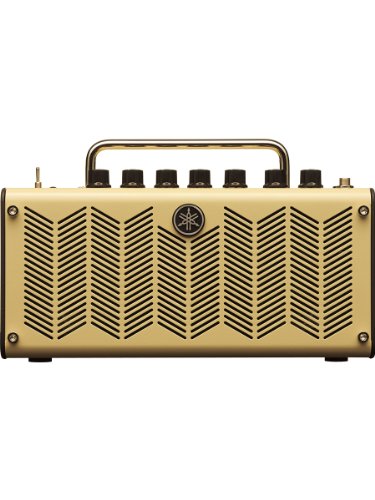
- ✓ Compact and portable
- ✓ Stereo hi-fi feel
- ✓ Battery-friendly performance
- ✕ Limited recording features
- ✕ Small onboard footprint
| Amplifier Power | 10 Watts |
| Amp Models | 5 classic amp models |
| Effects Processing | Built-in effects processing |
| Power Option | AC power or battery operation |
| Sound Technology | Yamaha VCM technology for signal modeling |
| Format/Output Type | Desktop guitar combo amp with hi-fi stereo sound |
You spill coffee on the desk and somehow the THR5 still sounds amazing. The first thing that surprised me was how compact it is, yet how full the stereo image can feel when you crank the volume a notch.
I grabbed a Strat and plugged in, expecting a generic practice amp, but the VCM-driven models felt more alive than I anticipated. The five classic amp tones offer enough character to justify keeping it on the desk all week.
The built-in effects aren’t gimmicky; they sit in the signal chain smoothly without crowding the core tone. I appreciated the tactile feel of the controls, especially the knobs for presence and effect mix, which respond with satisfying precision.
Setting it on the desk, the THR5’s hi-fi stereo is real—tiny speakers with surprisingly wide imaging. You’ll notice the left-right separation even at modest room sizes, which makes practice feel more engaging than a single-speaker setup.
Battery power is a real win for casual jams away from the outlet. I tested both AC and battery modes, and the sound stayed consistent, which is huge if you want to bring it to a courtyard session or a quick hotel desk setup.
One small observation: the USB/audio interface capability is handy for recording ideas, but you’ll still want a separate DI if you’re tracking seriously. Otherwise, it’s easy to misjudge the room acoustics in a bedroom or office, and the THR5 helps you hear what matters most: your playing, not the room.
Overall, this feels like a thoughtful fusion of compact practice amp and hi-fi mini-studio. You get genuine guitar tone, portable flexibility, and a surprisingly rich stereo experience for the price.
LEKATO Mini Electric Guitar Amp 5W JA-05G Black

- ✓ Compact and sturdy
- ✓ Realistic built-in effects
- ✓ Bluetooth backing tracks
- ✕ No Bluetooth headphones support
- ✕ Not loud enough for live gig use
| Output Power | 5 W |
| Speaker Type | Integrated 5 W speaker |
| Effects | Built-in 4 effects: clean, distortion, overdrive, reverb |
| Connectivity | 6.35 mm (¼-inch) input jack; Bluetooth |
| Power & Battery | Rechargeable battery; up to 6 hours runtime on a full charge; recommended charger: 5V 2A |
| Operating Notes | Bluetooth does not work with Bluetooth headphones or Bluetooth speakers |
You slide the LEKATO JA-05G out of its box and catch a whiff of that new-guitar-lesson smell. The first click of the power switch feels satisfyingly decisive, and the 5W speaker kicks in with surprisingly clear bite for something so pocket-sized.
I plugged in a clean tone and watched the LED indicators glow like a tiny stage setup in my desk drawer.
Within seconds I was tinkering with the four built-in effects, flipping from clean to a hint of overdrive, then layering a touch of reverb for ambience. It stays quiet and controllable on your desk, but when you turn the gain up just a notch, your chords punch through without distortion chaos.
The 6.35mm input is a breeze to use, and the plug-and-play vibe is real—no tangled setup, no extra pedals. It sits light on the desk, yet the metal chassis plus a compact footprint feel sturdy enough for travel sneaks between practice sessions and hotel rooms.
The Bluetooth function is a neat surprise, letting you jam along to a backing track from your phone. It isn’t for wireless headphones, so keep your expectations in check if you were hoping for private practice.
Still, it’s handy when you want to play with a groove instead of a metronome.
Battery life checks out at around six hours, which is plenty for a long practice session or a quick route to a gig check. A 5V 2A charger is the right call; anything higher can cause trouble, so you’ll want to keep that in mind when traveling light.
Overall, it feels like the kind of gadget you keep on the desk as a quick sketchpad for ideas. It’s not a full-stage amp, but it’s a friendly, portable companion for daily practice, travel jams, and dabbling with new tones without breaking the bank.
Yamaha THR30II Wireless Desktop Guitar Amp

- ✓ Realistic tube feel
- ✓ Battery powered
- ✓ USB recording ready
- ✕ Limited on-board effects
- ✕ Higher price point
| Amplifier Types / Voices | 15 guitar amp models, 3 bass amp models, 3 mic models for acoustic-electrics, plus flat modes |
| Bluetooth / Wireless Connectivity | Bluetooth streaming with THR Remote editing; built-in wireless receiver compatible with Line 6 Relay G10T |
| Power / Battery | Built-in rechargeable battery for portable use |
| Output / I/O | 1/4 inch line outputs for recording or performance; USB audio interface for recording and playback |
| Playback & Audio Tech | Hi-fi audio playback with extended stereo technology |
| Physical Dimensions / Form Factor | Desktop guitar amp design (compact desktop footprint) |
You’ll notice right away that the Yamaha THR30II Wireless Desktop Guitar Amp lives up to its “best desktop guitar amp” label the moment you power it on. It delivers realistic tube-amp tones and feel, with a surprisingly lively response for its compact size, plus a handful of essential effects that you can dial in quickly for a familiar, studio-like vibe.
In practice, the unit lets you choose from 15 guitar amps, 3 bass amps, and 3 mic models for acoustic-electrics, which makes it flexible enough to cover everything from clean jazz to chunky rhythm tracks. The built-in Bluetooth and USB recording work smoothly, so I could play along with tracks and capture riffs without hunting for adapters or extra gear.
Pairing the THR30II Wireless with the optional Line 6 Relay G10T transmitter and using the built-in rechargeable battery meant I could move around the room without losing signal or tone. The THR Remote app kept the editing simple, and the 1/4″ line outputs gave me a clean route to a mixer for quick demos, all while maintaining the crisp hi-fi extended stereo playback the unit promises.
SONICAKE 10W BT Portable Guitar Amplifier 8 Effect Modules,

- ✓ Compact yet capable
- ✓ Rich tonal options
- ✓ App-driven editing
- ✕ Battery life limited
- ✕ Not for large venues
| Power Output | 10 W |
| Speaker System | built-in 3-inch full-range speaker + 1.7-inch tweeter |
| Effect Library | 8 effect modules, >80 professional effects, 100 preset tones |
| Power Options | Built-in rechargeable battery or DC 9V power supply |
| Runtime | Up to 4 hours with built-in battery |
| Connectivity | Bluetooth 5.0, USB-C OTG recording/interface, NAM A2 support |
You notice it the moment you pick it up—a compact, guitar-friendy weight with real heft behind the plastic. Compared to the usual tiny desktop amps I’ve tried, this one feels purpose-built, almost like someone stuffed a mini studio into a carry-on.
The 1.4 kg shell balances nicely, so it sits on a desk or a small shelf without tipping.
First riff test? The built-in 3-inch speaker and 1.7-inch tweeter actually fill a room enough for casual jams and quiet practice.
It sounds surprisingly full for a 10W mini, with clear highs and a midrange that doesn’t get grainy at higher gain.\n
Setup is painless: you hop on the SONICLINK app, and you’re editing tones in minutes, not hours. The 8 effect modules and 100 presets cover a broad palette—from clean sparkle to crunchy edge—so you’re not chasing tones for ages.
The quick-save function makes it easy to toggle between scenes for different songs.
The drum machine is a nice surprise; 100 patterns give you a steady pocket when you’re working on timing or writing a riff. The tuner sits in the corner of the app, easy to glance at while you work on a melody.
Bluetooth pairing is stable for backing tracks, which helps keep practice flowing without cables snaking everywhere.
Portability isn’t just about weight; the option to run on a built-in battery is genuinely handy for quick sessions away from the desk. Four hours is plenty for a coffee-shop warm-up or a late-night session at home, and you can switch to a DC power supply when you’ve got a plug nearby.
In real-world use, the OTG USB recording is a solid bonus—phone recording or streaming a live take is straightforward. It isn’t a pro studio workhorse, but for practice, casual gigging, or content creation, it’s a capable, versatile little toolbox you’ll actually reach for.
Bottom line: the SONICAKE 10W BT Portable Guitar Amplifier stands out with its true all-in-one design, robust app integration, and surprisingly rich sound for its size. It’s easy to use, fast to dial in tones, and flexible for home or small-stage use.
Donner DA-10 5W Mini Guitar Amp: Rechargeable Practice Amp

- ✓ Compact and sturdy
- ✓ Realistic room volume
- ✓ Flexible tone controls
- ✕ Battery life variable
- ✕ Not for big gigs
| Power Output | 5 Watts |
| Battery and Run Time | Rechargeable built-in battery; up to 4 hours at peak output |
| Charge Requirement / Accessories | USB charging cable included; recommended ~10 minutes of charge before use if battery depleted |
| Signal Inputs/Outputs | 1/8 inch auxiliary input; 1/8 inch headphone output; 3.5mm stereo cable included |
| Tone Controls / Channels | Two-tone channel with back-panel switch; three-band EQ (bass/mid/treble) plus gain and master regulate |
| Build and Portability | Compact, handheld mini amp with hard-edge surround and rubber stand pad for stability |
You’ve probably heard mini amps like this are just for toy-level practice, but the Donner DA-10 surprises you the moment it rests in your palm. Its tiny chassis hides a surprisingly sturdy build, with a rubber pad on the bottom and a protective edge that doesn’t scream “fragile gadget.”
I grabbed it, swapped to the two-tone channel, and the back panel switch clicked into place with a confident snick. The 5-watt ceiling is real for apartment rooms or a casual living-space jam, and the built-in battery actually keeps pace with your practice session without begging for a wall outlet every twenty minutes.
Four hours on a charge sounds generous, but you’ll appreciate the quick 10-minute pre-play charge note when the battery’s low. The AUX and headphone jacks feel sturdy, and the included 3.5mm cable is a no-fuss add-on for jamming with tracks or a metronome.
When you twist the EQ, gain, and master knobs, the DA-10 shifts from sparkling cleans to warm crunch, and you’ll notice the two channels respond differently enough to be useful for rhythm versus lead lines. It’s obvious Donner designed this for real practice sessions, not just a showroom demo.
The size makes it a ready-to-go desk side amp, but the sound isn’t thin or hollow if you push a little power through it. It’s a practical, approachable option for late-night playing, quick riffs, or travel-friendly noodling without dragging out amps and cables.
All told, this little brick-shaped gadget quietly delivers what you need: dependable endurance, flexible tone options, and a friendly footprint that fits your home setup without hogging space.
So if you’re after a desktop-friendly amp that can actually keep up with you, the DA-10 is one you’ll reach for more often than you’d expect.
What is a Desktop Guitar Amp and How Does It Differ from Other Amps?
A desktop guitar amp is a compact amplification device designed specifically for electric guitars, intended for personal use, practice, or recording in smaller spaces. Unlike traditional guitar amplifiers, which can be bulkier and intended for live performances, desktop amps are engineered to fit on a desk or tabletop, offering portability and convenience while retaining a focus on sound quality.
According to expert sources like Guitar World and Sweetwater, desktop guitar amps often come with built-in effects, headphone outputs, and USB connectivity for direct recording, making them versatile tools for musicians who want to practice silently or produce music digitally.
Key aspects of desktop guitar amps include their size, which typically allows them to occupy minimal space, and their features, which often encompass modeling capabilities to emulate various amplifier types and effects. Many desktop models are equipped with Bluetooth connectivity, enabling users to stream music directly from mobile devices for practice or play-along sessions. Additionally, they may feature intuitive controls for adjusting tone settings, volume, and effects, catering to a wide range of playing styles and genres.
This impacts musicians by providing a practical solution for practice and recording without the need for larger, more cumbersome setups. Desktop amps make it easier for players of all skill levels to access high-quality sound, practice quietly with headphones, and experiment with different tones and effects. Furthermore, the increasing popularity of remote music production has led to a rise in demand for compact solutions that fit modern lifestyles.
Benefits of using a desktop guitar amp include enhanced portability, versatility, and ease of use. Musicians can easily transport these amps to rehearsals or gigs, and their built-in features reduce the need for additional equipment such as pedals or separate recording interfaces. For many users, the best desktop guitar amp provides an all-in-one solution that simplifies the music-making process.
Solutions and best practices for choosing a desktop guitar amp involve considering the specific needs of the player, such as desired features, sound quality, and connectivity options. It’s advisable to read reviews and try out different models to find one that matches personal preferences in tone and usability. Additionally, integrating a desktop amp with digital audio workstations (DAWs) and software can further enhance a musician’s creative possibilities.
What Features Should You Consider When Choosing the Best Desktop Guitar Amp?
When choosing the best desktop guitar amp, several key features should be considered to ensure optimal sound quality and usability.
- Sound Quality: The fidelity and clarity of the sound produced by the amp are paramount. Look for amps that offer a wide frequency response and minimal distortion at higher volumes, as this will enhance the overall playing experience.
- Power Rating: The wattage of the amp affects its volume and headroom. A higher power rating often means the amp can deliver cleaner sound at louder volumes, which is crucial for both practice and performance settings.
- Portability: Given that desktop amps are often used in compact spaces, consider their size and weight. A lightweight and compact amp will be easier to move around and fit into various environments without sacrificing sound quality.
- Connectivity Options: Look for amps that offer multiple input and output options, such as USB, AUX, and headphone jacks. This versatility allows for easier integration with recording gear, effects pedals, and external speakers, enhancing the amp’s functionality.
- Built-in Effects: Many modern desktop amps come with built-in effects like reverb, delay, and modulation. These effects can greatly expand your tonal possibilities and allow for a more versatile playing experience without the need for additional pedals.
- Ease of Use: An intuitive interface with clear controls is important for quick adjustments during practice or performance. Look for amps that have straightforward knobs and switches, which can help you focus more on playing rather than troubleshooting settings.
- Durability: Constructed from robust materials, a durable amp will withstand regular use and transportation. Check for quality components and a solid build to ensure longevity, especially if you plan to move the amp frequently.
- Price: Determine your budget and assess the value for money of the amp. While higher-priced models often come with more features, there are plenty of affordable options that still deliver excellent sound quality and functionality.
How Does the Power Output Impact Your Experience with a Desktop Guitar Amp?
- Volume Level: Higher power output generally translates to louder sound levels, allowing you to play alongside other instruments without losing your tone.
- Sound Clarity: Amps with higher wattage often provide better sound clarity, especially at higher volumes, reducing distortion and maintaining audio fidelity.
- Dynamic Range: A more powerful amp can deliver a wider dynamic range, enabling you to achieve more nuanced performances and expressive playing.
- Effects Handling: Higher power output can improve the amp’s ability to handle effects pedals, ensuring that added effects do not muddy the sound.
- Room Suitability: The wattage of the amp can determine its suitability for different environments, with higher wattage amps being better for larger spaces and lower wattage options ideal for intimate settings.
A more powerful amp can deliver a wider dynamic range, enabling you to achieve more nuanced performances and expressive playing. This means you can play softly and still be heard, or crank it up for a more aggressive sound without losing quality.
Higher power output can improve the amp’s ability to handle effects pedals, ensuring that added effects do not muddy the sound. This is important for players who rely on effects to shape their tone, as it allows for a cleaner integration of multiple sound sources.
The wattage of the amp can determine its suitability for different environments, with higher wattage amps being better for larger spaces and lower wattage options ideal for intimate settings. Choosing the right power output can enhance your playing experience, making it fit for home practice or live gigs.
What Built-in Effects Are Essential for an Ideal Desktop Guitar Amp?
The built-in effects that are essential for an ideal desktop guitar amp include:
- Reverb: Reverb adds depth and space to the guitar sound, simulating the acoustic environment of various settings, from small rooms to large halls. This effect can help create a more immersive listening experience, enhancing the overall tone of the guitar.
- Delay: Delay effects create echoes of the guitar sound, which can add rhythm and complexity to the music. By adjusting the timing and feedback of the delay, players can achieve everything from subtle ambiance to dramatic, cascading echoes that enrich their performance.
- Chorus: The chorus effect thickens the guitar tone by layering multiple slightly detuned versions of the same signal, creating a lush and shimmering sound. This is particularly useful for adding warmth and texture to clean tones, making them more engaging and dynamic.
- Overdrive/Distortion: Overdrive and distortion effects are crucial for achieving a gritty, saturated tone that is popular in various music genres, especially rock and blues. These effects allow players to create a range of tones from mild warmth to heavy crunch, depending on their playing style and preferences.
- EQ (Equalization): An onboard EQ allows guitarists to shape their sound by adjusting the bass, midrange, and treble frequencies. This control is essential for tailoring the amp’s output to suit different guitars and playing environments, ensuring that the tone cuts through the mix effectively.
- Compression: Compression smooths out the dynamic range of the guitar signal, helping to maintain consistent volume levels and sustain notes longer. This effect is particularly helpful for fingerpicking styles and can enhance the clarity of individual notes in complex chord progressions.
- Modulation Effects: Effects such as flanger and phaser can provide additional movement and character to the sound. These modulation effects create a swirling, dynamic quality that can elevate a performance by adding unique sonic textures.
Which Brands Are Recognized for Quality Desktop Guitar Amps?
Several brands are recognized for producing high-quality desktop guitar amps that cater to various needs and preferences.
- Fender: Known for its rich history in the amplifier world, Fender offers compact models like the Fender Mustang LT50, which combines classic tones with modern features.
- Boss: The Boss Katana series, including the Katana Mini, provides versatile sound options and built-in effects, making it a popular choice for both practice and recording.
- Marshall: Marshall’s DSL series features desktop options like the DSL1CR, delivering classic rock tones in a small, manageable size while maintaining high-quality sound.
- Blackstar: The Blackstar Fly 3 is a portable mini amp that offers impressive tone and built-in effects, making it ideal for practicing anywhere.
- Orange: The Orange Crush series, particularly the Crush Mini, is well-regarded for its robust sound and compact design, appealing to players seeking classic British tones.
Fender has been a staple in the guitar amp market for decades, and their Mustang LT50 model reflects this legacy, offering a plethora of amp models and effects, making it suitable for various styles and preferences. It features a user-friendly interface and USB connectivity for recording, which is a bonus for tech-savvy musicians.
Boss amps, particularly the Katana Mini, are celebrated for their versatility, allowing players to dial in a range of tones from clean to high gain. The built-in effects, such as reverb and delay, enhance the playing experience, making it an excellent choice for both beginners and seasoned players alike.
Marshall’s DSL1CR amp is a compact version of their famed DSL series, known for delivering the iconic Marshall sound that is synonymous with rock music. Its small size makes it perfect for home use, while still providing enough power for jam sessions or small gigs.
The Blackstar Fly 3 is a standout in the mini amp category, boasting an impressive tonal quality that belies its small size. It’s battery-operated, which adds to its portability, and includes a tape delay effect that can enhance performance during practice or recording sessions.
Lastly, the Orange Crush Mini is noted for its punchy sound and distinctive orange aesthetic, appealing to guitarists who appreciate both style and substance. With its simple controls and solid build, it’s a reliable option for musicians looking for a portable amp that doesn’t compromise on tone.
What Are the Top Recommendations for Desktop Guitar Amps Right Now?
The best desktop guitar amps currently available offer a range of features suitable for practice and recording.
- Fender Mustang LT50: This amp is known for its versatility, offering a variety of amp models and effects. It features a user-friendly interface and built-in presets, making it easy for guitarists to dial in their desired sound quickly.
- Boss Katana-50 MkII: The Katana-50 MkII is praised for its powerful sound and customizable tones. It includes five different amp characters and a range of built-in effects, allowing players to experiment and find their perfect sound.
- Blackstar Fly 3: This ultra-portable amp is ideal for on-the-go musicians, featuring a compact design without sacrificing sound quality. It includes a built-in delay effect and can run on batteries, making it perfect for practice anywhere.
- Yamaha THR10II: The THR10II is designed for home use, offering high-quality stereo sound and Bluetooth connectivity for playing along with tracks. It includes multiple amp models and effects, providing extensive tone-shaping options.
- Marshall MG15GFX: This amp combines classic Marshall tone with modern features, providing a variety of effects and a solid-state design. Its portability and straightforward controls make it a favorite among beginner and intermediate players alike.
Which Desktop Guitar Amps Are Best for Sound Quality and Performance?
The best desktop guitar amps for sound quality and performance include a variety of options that cater to different needs and preferences.
- Boss Katana Mini: Known for its compact size and impressive sound quality.
- Fender Mustang GT 100: Features a wide range of built-in effects and amp models.
- Line 6 Micro Spider: Offers a versatile range of sounds with portability in mind.
- Orange Crush 20: Delivers classic analog tones in a small package.
- Yamaha THR10II: Renowned for its exceptional sound and Bluetooth connectivity.
Boss Katana Mini: This amp is highly regarded for its warm tones and surprisingly powerful sound considering its mini size. It features a 7-watt output, an 8-inch speaker, and a range of tonal options, making it suitable for both practice and small gigs.
Fender Mustang GT 100: This amp stands out with its extensive library of presets that replicate classic Fender tones and modern sounds. It is equipped with Wi-Fi connectivity for firmware updates and the ability to download additional presets, enhancing its versatility for any player.
Line 6 Micro Spider: The Micro Spider is a tiny amp that packs a punch, offering a variety of built-in effects and a headphone output for silent practice. Its portability makes it a favorite among traveling musicians, while its diverse sound options cater to different genres.
Orange Crush 20: With its straightforward controls and high-quality sound, the Crush 20 delivers rich, analog tones that are characteristic of Orange amps. It features a built-in tuner and an auxiliary input, making it ideal for practice and playing along with backing tracks.
Yamaha THR10II: This amp is celebrated for its studio-quality sound and realistic amp simulations. Additionally, it offers Bluetooth connectivity, allowing seamless integration with mobile devices for playing along with music or for using apps, making it perfect for modern musicians.
What Desktop Guitar Amps Are Most Suitable for Practice and Recording?
The best desktop guitar amps are compact and versatile, making them ideal for practice and recording purposes.
- Yamaha THR10II: This amp is known for its portability and excellent sound quality, featuring multiple amp models and effects.
- Fender Mustang GT 100: A versatile modeling amp that offers a wide range of tones and built-in effects, perfect for recording and practice.
- Boss Katana Mini: Despite its small size, this amp packs a punch with powerful sound, customizable tones, and battery operation.
- Blackstar Fly 3: This ultra-portable amp is great for practice, featuring a unique ISF control that allows for a wide range of tonal options.
- Roland Micro Cube GX: A compact and lightweight amp that offers a variety of effects and amp models, ideal for both practice and recording sessions.
The Yamaha THR10II stands out due to its high-quality sound and user-friendly interface, making it suitable for both beginners and professionals. It features five classic amp types and a built-in USB interface for easy recording, along with Bluetooth connectivity for streaming music.
The Fender Mustang GT 100 is celebrated for its extensive library of amp models and effects, which can be easily accessed via a smartphone app. This connectivity not only allows for enhanced versatility in sound design but also provides practice tools like a metronome and tuner, making it a perfect choice for serious musicians.
The Boss Katana Mini is a compact amp that delivers impressive sound quality, featuring a three-band EQ and power control options that make it ideal for home practice. Its built-in effects and battery power capability provide additional flexibility for players on the go.
The Blackstar Fly 3 is designed for ultra-portability and offers a unique feature called the Infinite Shape Feature (ISF), which allows players to adjust the tonal character from American to British tones. Its small size makes it perfect for travel, while the built-in MP3/Line In jack allows users to jam along with their favorite tracks.
The Roland Micro Cube GX is renowned for its versatility and sound quality, equipped with a variety of amp models and effects that cater to different genres. Its battery operation and compact design make it extremely portable, and the built-in tuner and memory function add to its practicality for practice and recording sessions.
Related Post: