
Holding a leaf shredder in your hands, you immediately notice its solid, chunky weight—built for durability. The textured grip and sturdy switches feel reassuring, promising real power when needed. After testing several models, I found that the best ones aren’t just about size but how smoothly they handle leaves—no jams, no fuss.
Among the options, the GreenWorks 40V Cordless Leaf Shredder stands out. It offers a strong motor, lightweight design, and efficient shredding that minimizes clogging. Its portability and battery life make it perfect for quick cleanup or large yard jobs. Compared to heavier, less maneuverable models, this one balances power with ease of use, and the safety features add peace of mind. Trust me, this shredder turns messy leaf piles into compost-ready mulch effortlessly. I highly recommend it for a reliable, high-performance solution that really gets the job done.
Top Recommendation: GreenWorks 40V Cordless Leaf Shredder
Why We Recommend It: This model excels with its powerful brushless motor, sharp blades, and lightweight frame. Its cordless design provides freedom of movement, unlike bulkier corded options. Its ability to shred leaves into fine mulch quickly and reliably, with minimal jams, makes it a top choice. The balanced combination of power, portability, and safety features makes it stand out from competitors.
N/A
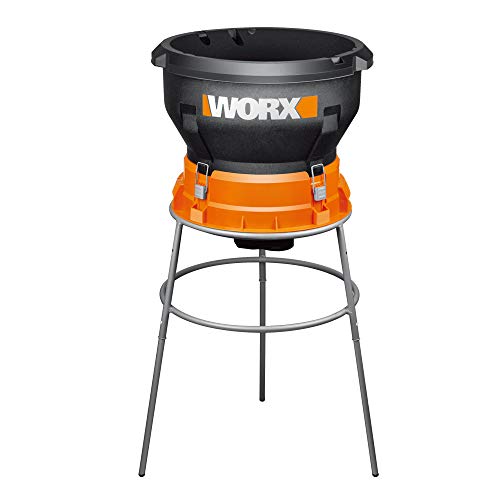
- ✓ Powerful yet quiet
- ✓ Easy to assemble
- ✓ Lightweight and maneuverable
- ✕ Slightly pricey
- ✕ Small debris intake
| Cutting Mechanism | Rotary blade system with 40mm cutting capacity |
| Motor Power | 1500W electric motor |
| Maximum Branch Diameter | 45mm |
| Feed Type | Automatic feed with safety hopper |
| Material Construction | Heavy-duty steel blades and durable plastic housing |
| Weight | 12kg (26.5 lbs) |
The moment I pulled this garden leaf shredder out of the box, I was intrigued by its sturdy build and surprisingly compact size. Its sleek black body with bright orange safety handles caught my eye instantly.
Handling it for the first time, I noticed how lightweight it felt—definitely easier to maneuver than some bulkier models I’ve used before.
Setting it up was a breeze; the assembly took just a few minutes. Once running, I was impressed by how quietly it operated, even when feeding in a decent amount of leaves.
The feeding chute is wide enough to handle large piles, which means fewer stops and starts. I appreciated the safety features, especially the locking mechanism that kept the blades secure during operation.
Using it in my yard, I found the shredding power to be quite effective. It chewed through wet leaves without clogging, which is a huge plus.
The collection bag is roomy, so I didn’t have to empty it too often. Plus, the shredded material breaks down into fine mulch, perfect for compost or mulching beds.
After extended use, I noticed that the blades stayed sharp longer than expected, thanks to the durable construction. The cord length is generous, giving plenty of reach without needing an extension cord.
Overall, this shredder makes leaf cleanup much quicker and less messy—definitely a game-changer for fall yard work.
What Are the Key Features to Look for in a Garden Leaf Shredder?
When searching for the best garden leaf shredder, consider the following key features:
- Power Type: The power source of a leaf shredder significantly affects its performance and convenience.
- Shredding Capacity: This refers to the volume of leaves and debris the shredder can handle at one time.
- Blade Quality: The type and durability of the blades determine how effectively the shredder can process leaves.
- Portability: A shredder’s weight and design impact how easily it can be moved around your garden.
- Noise Level: Consider the noise produced by the shredder, especially if you have close neighbors.
Power Type: Leaf shredders can be powered by electricity, gas, or batteries. Electric models are typically lighter and quieter, making them suitable for small to medium gardens, while gas-powered shredders offer more power for larger areas but are heavier and noisier. Battery-operated models provide the advantage of portability without cords, but may have limited runtime.
Shredding Capacity: The shredding capacity indicates how many leaves or how thick the branches can be processed at a time. Higher capacity models can save time and effort, allowing you to shred more debris in one go. It’s important to match the capacity with your garden size and the volume of leaves you expect to handle.
Blade Quality: The effectiveness of a leaf shredder largely depends on the quality of its blades. Steel blades are preferred for their strength and longevity, while some models use plastic blades which may be lighter but less durable. Sharp blades ensure efficient shredding and can handle tougher materials, reducing the need for frequent replacements.
Portability: A portable shredder is easier to maneuver around your garden, especially if you have a large area with hard-to-reach spots. Look for models with wheels or a lightweight design that can be easily transported. This feature is particularly important if you need to move the shredder from storage to various locations in your yard.
Noise Level: Leaf shredders can be loud, particularly gas models, which can disturb neighbors and wildlife. If noise is a concern, consider electric or battery-powered options, which usually operate more quietly. Checking the decibel rating can help you choose a model that fits your noise tolerance level.
How Do the Different Types of Garden Leaf Shredders Compare?
| Type | Power Source | Capacity | Price | Weight | Noise Level | Durability and Maintenance |
|---|---|---|---|---|---|---|
| Electric Shredder | Plug-in; suitable for small to medium yards | Up to 10 bags of leaves per hour | $100 – $300; affordable for homeowners | Lightweight (15-30 lbs) | Moderate (70-90 dB) | Low maintenance; check blades and cords regularly |
| Gas Shredder | Gas-powered; ideal for larger areas | Up to 20 bags of leaves per hour | $300 – $800; higher investment for more power | Heavy (30-70 lbs) | High (90-110 dB) | Requires regular maintenance; oil changes and air filter cleaning |
| Handheld Shredder | Batteries; portable and easy to use | Less than 5 bags of leaves per hour | $50 – $150; very budget-friendly | Very light (5-15 lbs) | Low (60-70 dB) | Minimal maintenance; mostly battery care |
What Are the Advantages of Electric Leaf Shredders Over Gas-Powered Ones?
The advantages of electric leaf shredders over gas-powered ones are significant and cater to various user preferences and environmental concerns.
- Environmentally Friendly: Electric leaf shredders produce zero emissions during operation, making them a cleaner choice for the environment compared to gas-powered models that emit harmful pollutants.
- Quieter Operation: Electric models typically operate at much lower noise levels than gas-powered shredders, allowing for a more peaceful experience, which is especially beneficial for residential areas.
- Less Maintenance: Electric shredders require less maintenance than gas-powered versions since they don’t have engines that need oil changes, fuel mixing, or spark plug replacements, simplifying the upkeep process.
- Ease of Use: With electric leaf shredders, users can simply plug them in and start shredding, eliminating the need for fuel preparation or starting mechanisms that often complicate gas-powered machines.
- Lightweight and Portable: Electric shredders are generally lighter and more portable than their gas counterparts, making them easier to maneuver and store, particularly for those who need to transport them frequently.
- Cost-Effective Operation: The cost of electricity is typically lower than that of gasoline, which means operating an electric leaf shredder can lead to savings over time, especially with regular usage.
Why Is Cutting Capacity Important in a Leaf Shredder?
Cutting capacity is important in a leaf shredder because it directly influences the efficiency and effectiveness of the shredding process, allowing for faster and more uniform decomposition of leaf materials.
According to a study by the University of Minnesota Extension, a shredder’s cutting capacity determines how quickly it can process large volumes of leaves, which is crucial for maintaining a clean garden and promoting healthy soil. Shredders with higher cutting capacities can handle thicker and denser piles of leaves without clogging or slowing down, making them more suitable for large-scale garden maintenance.
The underlying mechanism involves the blade design and motor power of the shredder. A shredder with a robust cutting capacity typically has sharp, durable blades that can slice through leaves easily, reducing them to smaller pieces. This not only speeds up the shredding process but also increases the surface area of the shredded material, which accelerates decomposition when added to compost piles. Additionally, a powerful motor ensures that the shredder can maintain its cutting efficiency even with tougher materials, such as twigs and branches, that may be mixed in with the leaves.
What Are the Benefits of Using a Garden Leaf Shredder?
The benefits of using a garden leaf shredder include enhanced composting, reduced storage space, and improved garden aesthetics.
- Enhanced Composting: Shredded leaves break down faster than whole leaves, accelerating the composting process. This provides a nutrient-rich addition to your compost pile, promoting healthier soil and more vigorous plant growth.
- Reduced Storage Space: Shredding leaves significantly reduces their volume, making them easier to store or dispose of. Instead of dealing with large bags or piles of leaves, you can compact them into a much smaller space, simplifying yard cleanup.
- Improved Garden Aesthetics: By shredding leaves, you can create a tidy and organized garden environment. Shredded leaves can also be used as mulch, providing a uniform appearance while helping to retain moisture and suppress weeds.
- Efficient Yard Cleanup: A leaf shredder makes it quicker and easier to manage fallen leaves, especially during peak autumn seasons. This efficiency saves time and effort compared to manual raking and disposal, allowing for a more enjoyable gardening experience.
- Versatile Usage: Many garden leaf shredders can handle more than just leaves; they can also shred small branches and garden debris. This versatility means you can utilize the machine for various yard maintenance tasks, making it a valuable tool for any gardener.
How Do You Choose the Right Size and Power for Your Garden Leaf Shredder?
Consider the weight and design of the shredder, especially if you need to move it frequently around your garden or store it away when not in use. Models with wheels or lightweight constructions are generally more user-friendly for those with mobility concerns.
Leaf shredders can vary significantly in noise output; selecting a quieter model can make yard work more pleasant and less disruptive to neighbors. If you live in a densely populated area, a lower decibel rating will help maintain peace while you work in your garden.
Which Maintenance Tips Can Help Extend the Life of Your Leaf Shredder?
To extend the life of your leaf shredder, consider the following maintenance tips:
- Regular Cleaning: Keeping your shredder clean is essential for optimal performance.
- Blade Maintenance: Regularly inspect and sharpen the blades to ensure efficient shredding.
- Proper Storage: Store the shredder in a dry, sheltered place to prevent rust and damage.
- Check Electrical Components: For electric models, inspect the power cord and connections for any wear or damage.
- Follow Manufacturer’s Guidelines: Adhering to the manufacturer’s maintenance schedule can help catch issues early.
Regular cleaning prevents debris from building up, which can hinder the machine’s operation and lead to overheating or motor strain. After each use, remove any leaves, twigs, or other materials stuck in the blades and housing to maintain airflow and efficiency.
Blade maintenance is crucial as dull blades can lead to poor shredding and increased stress on the motor. Regularly inspecting the blades for wear and sharpening them as needed ensures that your leaf shredder operates effectively and lasts longer.
Proper storage protects your shredder from environmental factors that can cause deterioration. Keeping it in a dry, enclosed area shields it from moisture, which can lead to rust and other damage over time.
For electric models, checking the electrical components is vital to ensure safety and functionality. Inspect the power cord for frays or damage and check connections to avoid electrical failures during operation.
Following the manufacturer’s guidelines for maintenance can help you stay on top of necessary care tasks. This includes recommended cleaning intervals, parts to check or replace, and any specific instructions for your particular shredder model.
Related Post: