
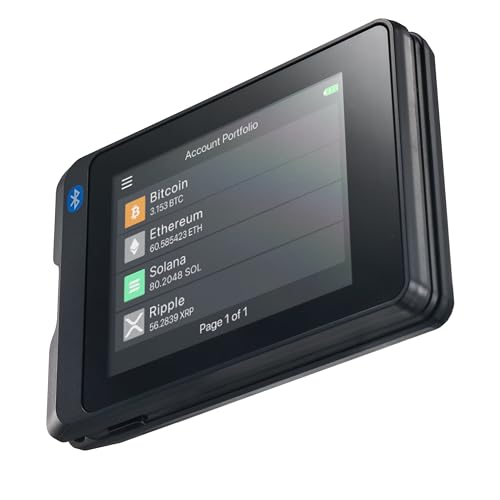
Before testing this SecuX W20 Crypto Wallet Intuitive Touchscreen, Hardware, I didn’t realize how much a secure, verifiable on-device experience could change daily crypto chores. The 2.8 inch color touchscreen shows balance and prompts clearly, while the CC EAL5+ secure element and offline key storage shield you from phishing and hacks. Think of it as a reliable inbox for your private keys—no cloud, no surprises.
In real-world use, the Clear-sign verification and PIN with a dynamic keypad feel decisive. It handles 10,000+ coins and tokens across 300 chains, connects to MetaMask or WalletConnect with ease, and stays versatile whether you’re on desktop or mobile. After hands-on testing, this wallet stands out for solid security paired with straightforward usability—exactly what you want when managing funds.
Top Recommendation: SecuX W20 Crypto Wallet Intuitive Touchscreen, Hardware
Why We Recommend It: The SecuX W20 combines a certified CC EAL5+ Secure Element and offline key storage for robust protection against online threats. Its 2.8-inch color touchscreen enables on-device balance viewing and transaction verification, reducing the risk of phishing. It supports 10,000+ coins/tokens across 300 chains, offers MetaMask and WalletConnect integration, and provides a dynamic PIN keypad with automatic reset after failed attempts, delivering both security and ease of use in everyday crypto management. This blend of strong hardware security, broad asset support, and seamless connectivity outperforms other options on core needs.
SecuX W20 Crypto Wallet Intuitive Touchscreen, Hardware
- ✓ Strong security with SE chip
- ✓ On-device balance view
- ✓ Easy MetaMask/WC integration
- ✕ Slight learning curve for new users
- ✕ Limited color options
| Security Chip | Infineon Secure Element CC EAL5+ |
| Display | 2.8-inch color touchscreen |
| Offline Storage | Private keys stored offline (air-gapped hardware wallet) |
| PIN Security | Dynamic keypad with automatic reset after 5 incorrect attempts |
| Coin/Token Support | 10,000+ coins and tokens across 300+ chains |
| Connectivity & Integration | MetaMask via QR linking; WalletConnect; cross-platform (mobile/desktop) |
The first time I held the SecuX W20, the weight surprised me in a good way—sturdy without feeling chunky, and the 2.8-inch color touchscreen glowed with clarity under bright light. I could tell this thing meant business the moment I peeled the protective film and clicked through the home screen.
The textured back grip helped it sit steady on my desk, not sliding around while I verified a transaction.
You’ll notice the bold, secure-feel build right away. The SE chip and offline mindset give you that “private key stays here” reassurance as you navigate each step.
I appreciated how the Clear-view display kept transaction details legible from across the room, so you don’t have to lean in and squint. The PIN entry uses a dynamic keypad, which felt nimble and added a layer of peace-of-mind during busy moments.
Daily use is pleasantly straightforward. Browsing balances directly on the device is a game changer when you don’t want to pull your phone out for every check.
The MetaMask and WalletConnect integrations feel seamless once you pair them via the QR link, making DeFi sessions feel like a natural extension of your wallet. Setting up accounts and routing coins into the secured device was as intuitive as it gets for a hardware wallet with 10,000+ coins in tow.
The device connects effortlessly to both mobile and desktop, which means you’re not locked into one ecosystem. I did run into the same occasional UX hiccups you get with any hardware wallet when syncing new assets, but the on-device verification loop kept me confident every step of the way.
If you want a robust, user-friendly desktop wallet that doesn’t compromise security, this is a solid pick.
What Is a Cryptocurrency Desktop Wallet, and How Does It Work?
A cryptocurrency desktop wallet is a software application installed on a personal computer or laptop that allows users to store, send, and receive cryptocurrencies. These wallets provide a secure way to manage digital assets by controlling the private keys necessary for accessing and transacting with cryptocurrencies such as Bitcoin, Ethereum, and others.
According to a report by Investopedia, desktop wallets are considered more secure than web wallets because they are not connected to the internet when not in use, reducing the risk of hacking and theft (Investopedia, 2023). However, they are still vulnerable to malware and attacks if the computer is compromised.
Key aspects of cryptocurrency desktop wallets include their ability to generate and store private keys locally, which enhances security. Users have full control over their funds, as they are not relying on third-party platforms to manage their assets. Desktop wallets often come with various features such as advanced security options, transaction history, and support for multiple cryptocurrencies, making them a versatile choice for users who frequently trade or hold a diverse portfolio.
This type of wallet impacts the cryptocurrency landscape by empowering users with more control over their assets, as they do not have to entrust their funds to exchanges or online services. The growing adoption of desktop wallets is indicative of a broader trend towards self-custody in the cryptocurrency space, particularly among more experienced users looking for enhanced security and privacy.
According to the Cambridge Centre for Alternative Finance, as of 2022, there were approximately 300 million cryptocurrency users globally, with a significant portion utilizing wallets to manage their holdings. This demonstrates the increasing importance of wallets in facilitating everyday transactions and investments in cryptocurrencies.
The benefits of using a desktop wallet include enhanced security features such as encryption, access to private keys, and sometimes even hardware wallet integration. Best practices for users include regularly updating the wallet software, using strong and unique passwords, and enabling two-factor authentication when available. Additionally, keeping backups of wallet data in secure locations is crucial to prevent loss of funds due to hardware failure or accidental deletion.
Why Are Desktop Wallets Important for Cryptocurrency Users?
Desktop wallets are important for cryptocurrency users because they offer enhanced security and control over assets compared to other wallet types, such as mobile or web wallets.
According to a report by the Cambridge Centre for Alternative Finance, desktop wallets are favored by many users for their ability to store private keys locally, thereby reducing the risk of hacking that is often associated with online wallets. This local storage means that users have sole control over their funds, which is crucial for those looking to manage significant amounts of cryptocurrency.
The underlying mechanism of a desktop wallet’s security stems from how it stores private keys. Unlike web wallets, which keep private keys on servers susceptible to cyber attacks, desktop wallets generate and store the keys on the user’s computer. This not only minimizes exposure to online threats but also allows for the use of additional security measures, such as encryption and two-factor authentication. Furthermore, because desktop wallets are not constantly connected to the internet, they are less vulnerable to malware and phishing attacks, which are common in the cryptocurrency space.
Additionally, desktop wallets often come with more advanced features that cater to experienced users, such as support for multiple cryptocurrencies, integration with hardware wallets, and sophisticated transaction management options. This combination of security and functionality makes them an appealing choice for users who prioritize safeguarding their digital assets while maintaining control and accessibility to their wallets.
How Can You Choose the Best Wallet for Your Needs?
Choosing the best cryptocurrency desktop wallet involves considering various factors to ensure security, usability, and compatibility.
- Security Features: Look for wallets that offer robust security measures such as two-factor authentication, encryption, and cold storage options. These features help protect your assets from hacks and unauthorized access.
- User Interface: A user-friendly interface is crucial, especially for beginners. The wallet should be easy to navigate, allowing users to send, receive, and manage their cryptocurrencies without confusion.
- Supported Currencies: Ensure the wallet supports a wide range of cryptocurrencies, especially the ones you plan to hold. Some wallets may focus on major coins, while others support a broader selection of altcoins.
- Backup and Recovery Options: The best wallets provide clear backup and recovery options, such as seed phrases or private keys. This ensures that you can recover your funds if your computer fails or the wallet is lost.
- Development and Community Support: Choose wallets that are actively developed and have a strong community behind them. Ongoing updates and support can enhance security and add new features over time.
- Reputation and Reviews: Research the reputation of the wallet within the cryptocurrency community. User reviews and experiences can provide insights into reliability and any potential issues.
- Compatibility with Other Software: If you plan to use other tools or exchanges, check if the wallet is compatible with them. This can streamline your cryptocurrency management and trading processes.
What Are the Top Features of a Reliable Desktop Wallet?
The top features of a reliable desktop wallet include:
- Security: A reliable desktop wallet should offer robust security features such as encryption, two-factor authentication, and the ability to store private keys locally. This ensures that your cryptocurrency is protected from unauthorized access and potential hacking attempts.
- User Interface: The wallet should have an intuitive and user-friendly interface that caters to both beginners and experienced users. A well-designed interface allows for easy navigation, making it simple to send, receive, and manage cryptocurrency assets.
- Multi-Currency Support: The best cryptocurrency desktop wallets support a wide variety of cryptocurrencies, enabling users to manage multiple assets in one place. This feature is essential for users who invest in different cryptocurrencies and prefer not to use multiple wallets.
- Backup and Recovery Options: A reliable wallet must provide options for backing up and restoring the wallet’s data. This includes seed phrases or recovery keys that allow users to recover their funds in case of device loss or failure, ensuring that their assets are never permanently lost.
- Regular Updates and Support: The development team behind the wallet should provide regular updates to address security vulnerabilities and improve functionality. Additionally, having accessible customer support can help users troubleshoot issues effectively.
- Integration with Hardware Wallets: For enhanced security, some desktop wallets offer integration with hardware wallets, allowing users to manage their assets while keeping private keys offline. This feature adds an extra layer of security against online threats.
- Transaction Fee Management: A good desktop wallet should offer features that allow users to customize transaction fees based on their preference for speed versus cost. This flexibility can be crucial during times of network congestion when fees may fluctuate significantly.
How Does Security Influence Your Wallet Choice?
The choice of a cryptocurrency desktop wallet can be heavily influenced by security features, as safeguarding assets is a top priority for users.
- Private Key Control: Ensuring that you have full control over your private keys is crucial for wallet security. Wallets that allow users to store their private keys locally on their devices minimize the risk of remote hacking and unauthorized access.
- Encryption Methods: High-level encryption methods are essential in protecting the wallet’s contents. Wallets that use advanced encryption algorithms can significantly lower the risk of data breaches and unauthorized transactions.
- Two-Factor Authentication (2FA): Many of the best cryptocurrency desktop wallets offer 2FA as an added layer of security. This requires users to provide two forms of verification before accessing their wallets, making it much harder for hackers to gain access.
- Regular Security Updates: A wallet that frequently updates its software to address vulnerabilities is more secure. Continuous updates indicate that the developers are actively working to improve security measures and protect users from emerging threats.
- Open Source Code: Wallets with open-source code allow for community scrutiny, which can enhance security. When the code is publicly available, developers and security experts can identify and fix potential vulnerabilities more quickly than with closed-source wallets.
- Reputation and Reviews: The reputation of the wallet and user reviews can provide insight into its security performance. Choosing a wallet that has been positively reviewed by a large user base can often indicate a reliable and secure option.
What Role Does User Experience Play in Wallet Selection?
User experience (UX) plays a crucial role in selecting the best cryptocurrency desktop wallet as it impacts how easily users can manage their digital assets.
- Interface Design: A clean and intuitive interface allows users to navigate the wallet effortlessly, making it easier to access essential functions such as sending, receiving, and managing cryptocurrencies. A well-designed interface reduces the learning curve for new users and enhances the overall experience.
- Security Features: User experience is closely tied to how security features are presented and utilized within a wallet. Users prefer wallets that offer robust security measures, like two-factor authentication and encryption, without compromising usability. A seamless integration of these features builds trust and confidence in the wallet.
- Performance and Speed: Fast transaction processing and minimal lag times contribute significantly to user satisfaction. A cryptocurrency wallet that responds quickly to user commands and processes transactions promptly helps maintain a smooth experience, which is essential for users who value efficiency.
- Customer Support: Accessible and effective customer support enhances user experience by providing assistance when issues arise. Wallets that offer comprehensive FAQs, live chat, or responsive email support demonstrate a commitment to user satisfaction, making them more appealing to potential users.
- Customization Options: The ability to personalize the wallet settings and interface can greatly improve user satisfaction. Users appreciate wallets that allow them to adjust themes, notification preferences, and other functionalities to suit their individual needs, resulting in a more tailored experience.
Which Are the Leading Cryptocurrency Desktop Wallets?
The leading cryptocurrency desktop wallets provide users with secure, user-friendly options for managing their digital assets.
- Exodus: A popular multi-currency wallet that offers a sleek interface and built-in exchange features.
- Electrum: Known for its speed and low resource consumption, Electrum is a Bitcoin-only wallet that emphasizes security and privacy.
- Atomic Wallet: This decentralized wallet supports a wide range of cryptocurrencies and allows for easy token swaps without leaving the application.
- Jaxx Liberty: A user-friendly wallet that supports multiple cryptocurrencies and integrates with various exchanges for easy trading.
- Armory: A highly secure Bitcoin wallet that provides advanced features and is ideal for users who prioritize security over convenience.
Exodus: Exodus is designed for ease of use, making it an excellent choice for beginners. It supports a wide variety of cryptocurrencies and has an integrated exchange feature, allowing users to trade cryptocurrencies directly within the wallet. The wallet is also known for its visually appealing interface, which enhances the user experience.
Electrum: Electrum is a lightweight wallet that specializes in Bitcoin transactions. Its focus on speed and efficiency makes it an excellent choice for users who want quick access to their funds. Additionally, Electrum offers advanced features such as hardware wallet support and seed phrase recovery, making it a secure option for users.
Atomic Wallet: Atomic Wallet stands out for its support of over 500 cryptocurrencies and its decentralized nature, meaning users have full control over their private keys. The wallet allows for easy atomic swaps, enabling users to exchange assets without third-party intermediaries. This feature enhances security and user autonomy in managing their crypto assets.
Jaxx Liberty: Jaxx Liberty provides a simple and intuitive interface for managing a diverse portfolio of cryptocurrencies. It offers support for over 80 coins and tokens, making it versatile for users with various assets. The wallet also connects to multiple exchanges, allowing users to trade directly from the application, thereby enhancing its functionality.
Armory: Armory is tailored for advanced users who prioritize security and control over their Bitcoin. It offers features such as cold storage options, multi-signature support, and detailed transaction management. While it may have a steeper learning curve compared to other wallets, its robust security measures make it a top choice for serious investors.
How Does Exodus Compare in Features and User Experience?
| Feature | User Experience |
|---|---|
| Security | Exodus provides strong security measures with private keys stored locally, enhancing user control. |
| Interface | User-friendly interface with an intuitive design, making it easy for beginners to navigate. |
| Supported Currencies | Supports a wide range of cryptocurrencies, allowing users to manage multiple assets in one place. |
| Customer Support | Offers responsive customer support through various channels, improving user satisfaction and issue resolution. |
| Multi-platform Availability | Available on multiple platforms including Windows, macOS, and Linux, allowing users to access their wallet from different devices. |
| Backup and Recovery Options | Provides easy backup and recovery options through seed phrases, ensuring users can restore their wallets if needed. |
| Trading Features | Includes built-in exchange features, allowing users to trade cryptocurrencies directly within the wallet without needing a separate service. |
| Integration with Third-party Services | Supports integration with various third-party services like Trezor for enhanced security and additional functionalities. |
What Advantages Does Electrum Bring to Users?
Electrum offers several advantages that make it a popular choice among users looking for the best cryptocurrency desktop wallet.
- Lightweight and Fast: Electrum is designed to be lightweight, requiring minimal disk space and memory, which allows for quick installation and fast synchronization with the blockchain.
- Security Features: It implements advanced security features such as two-factor authentication, multi-signature support, and the option to create a recovery seed, ensuring that users’ funds are well-protected against theft and loss.
- User-Friendly Interface: Electrum provides a simple and intuitive interface that caters to both beginners and experienced users, making it easy to manage and transact with cryptocurrencies.
- Customizable Fees: Users can set their transaction fees manually, allowing for more control over the speed and cost of transactions, which is particularly useful during times of network congestion.
- Compatibility with Hardware Wallets: Electrum seamlessly integrates with various hardware wallets, providing an extra layer of security for users who want to store their private keys offline.
- Open Source Software: Being open-source, Electrum’s code is available for public scrutiny, fostering transparency and trust within the community, and allowing developers to contribute improvements regularly.
Each of these advantages contributes to Electrum’s reputation as one of the best cryptocurrency desktop wallets, catering to a wide range of user needs while prioritizing security and efficiency.
What Are the Pros and Cons of Using a Desktop Wallet?
| Aspect | Details |
|---|---|
| Pros | High security when offline. User has full control over private keys. |
| Cons | Vulnerable to malware if the computer is compromised. Less convenient for quick transactions. |
| Examples | Popular desktop wallets include Exodus, Electrum, and Atomic Wallet. |
| User Experience | Generally user-friendly with intuitive interfaces, but can vary by wallet. |
| Backup and Recovery | Most wallets offer seed phrases for backup and recovery options to restore funds. |
| Software Updates | Regular updates may be required to maintain security and functionality. |
What Security Risks Should You Be Aware Of?
When using the best cryptocurrency desktop wallet, it’s crucial to be aware of various security risks that could jeopardize your assets.
- Malware Attacks: Malware can be designed to steal private keys or access your wallet without your knowledge. It’s essential to keep your antivirus software updated and perform regular scans to detect any malicious software that may compromise your wallet.
- Phishing Scams: Phishing attacks involve tricking users into entering their wallet credentials on fraudulent websites. Always ensure that you are visiting the official wallet website and consider using bookmarks to avoid falling victim to these scams.
- Weak Passwords: Using weak or easily guessable passwords can expose your wallet to unauthorized access. It is advisable to create complex passwords that include a mix of letters, numbers, and special characters, and to use a password manager for added security.
- Untrusted Software Downloads: Downloading wallet software from unverified sources can introduce vulnerabilities into your system. Always download software from official websites or trusted repositories to minimize the risk of installing compromised applications.
- Physical Theft: If your computer or device is stolen, the thief may gain access to your wallet. To mitigate this risk, consider encrypting your hard drive and using hardware wallets for an additional layer of security.
- Network Security Risks: Using public Wi-Fi networks can expose your wallet to interception by attackers. It is recommended to use a VPN and avoid accessing your wallet on unsecured networks to protect your sensitive information.
What Steps Should You Take to Safely Set Up Your Desktop Wallet?
To safely set up your desktop wallet, follow these essential steps:
- Choose a reputable wallet: Research and select a desktop wallet known for its security features and positive user reviews.
- Download from official sources: Always download the wallet software directly from the official website to avoid malicious versions.
- Verify the software’s integrity: Check the hash or signature of the downloaded file against the one provided on the official site to ensure it hasn’t been tampered with.
- Enable two-factor authentication: Activate two-factor authentication (2FA) where possible to add an extra layer of security during the login process.
- Create a strong password: Use a complex and unique password for your wallet, combining letters, numbers, and symbols to enhance protection.
- Backup your wallet: Regularly back up your wallet data and private keys in a secure location to prevent loss in case of hardware failure or theft.
- Keep your software updated: Regularly update your wallet software to benefit from the latest security patches and features.
- Use antivirus software: Ensure your computer is protected with reputable antivirus software to guard against malware and other threats.
- Be cautious with public networks: Avoid accessing your wallet over public Wi-Fi networks, as they may expose you to security risks.
- Educate yourself on phishing attacks: Stay informed about common phishing schemes and always double-check URLs before entering sensitive information.
Choosing a reputable wallet is crucial because the security of your funds relies on the wallet’s design and track record. Look for wallets that have been independently audited and have strong community support.
Downloading from official sources protects you from potential malware that could be bundled with unofficial versions. Always ensure you are on the correct website before initiating a download.
Verifying the software’s integrity helps ensure that you are using the legitimate version of the wallet. This step is critical in preventing potential hacks or data breaches that can occur with altered software.
Enabling two-factor authentication adds an important layer of security by requiring a second form of verification, typically through your mobile device, making unauthorized access significantly harder.
Creating a strong password is essential for protecting your wallet against brute-force attacks. A combination of upper and lower case letters, numbers, and special characters makes it much harder for attackers to guess.
Backing up your wallet ensures that you do not lose access to your funds in case of hardware failures or accidental deletions. Store backups in multiple secure locations, such as external drives or encrypted cloud storage.
Keeping your software updated is vital for maintaining security against emerging threats. Developers frequently release updates to address vulnerabilities, so staying current can safeguard your assets.
Using antivirus software provides an additional layer of protection against malicious software that could compromise your wallet. Ensure that it is regularly updated to detect and neutralize the latest threats.
Being cautious with public networks is critical, as these environments can expose your wallet to hacking attempts. If you must use public Wi-Fi, consider using a virtual private network (VPN) to encrypt your connection.
Educating yourself about phishing attacks helps you recognize and avoid scams that could lead to the loss of your funds. Always verify the authenticity of communication and links before providing any sensitive information.
Related Post: